After a storm, a fallen limb can make a tree project look straightforward: remove the obstruction and clear the yard. In Philadelphia, however, the location of the tree, the way crews can reach it, and whether the work involves a public street tree can change the questions a property owner needs answered. Rapid Tree Care’s Philadelphia service page describes tree removal, trimming, stump grinding, and emergency work. That makes the first useful step less about choosing a service label and more about explaining the specific condition and site.
Describe the hazard before naming the job
When contacting a tree company, describe what has happened rather than deciding on a remedy from a distance. Note whether the tree or limb is on the ground, still attached, leaning, or close to a structure, driveway, or access route. Explain what changed after the storm and whether the work area is reachable from a yard, alley, or street. These details help frame a discussion; they are not a substitute for an on-site assessment. Do not approach or climb onto an unstable tree or handle branches near electrical lines. For an immediate threat to people or property, use the appropriate emergency services rather than waiting for a routine quote.
Rapid Tree Care lists its category as Emergency Tree Removal Service, and its official Philadelphia page says it handles emergency work alongside standard tree services. The company describes Philadelphia properties ranging from tight rowhouse alleys to larger streets, so access is a relevant point to raise early. Ask what information or photographs would help the company understand the situation and whether the proposed assessment can address the particular hazard.
Make Philadelphia access part of the scope
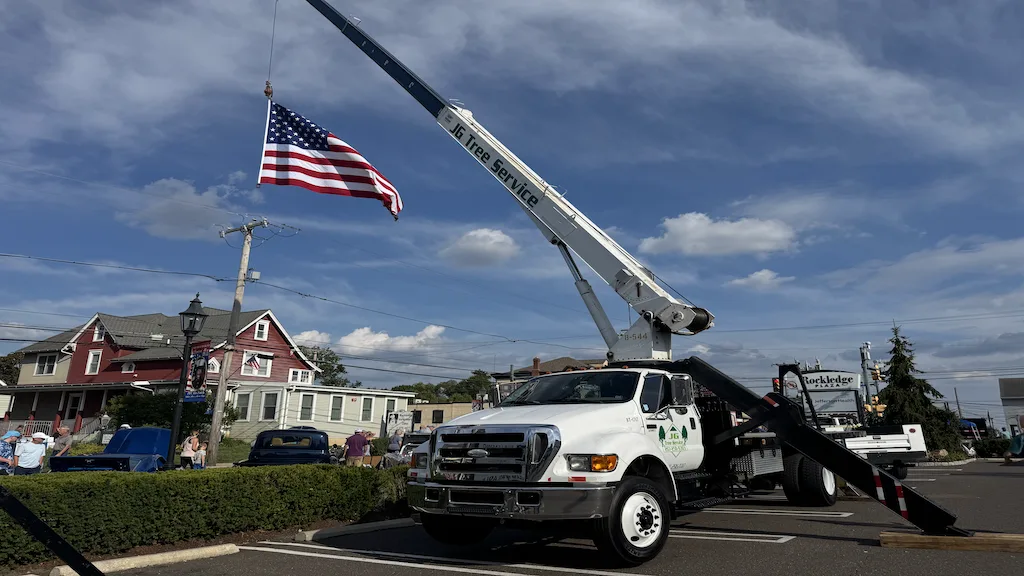
In dense blocks, a tree’s size alone does not describe the job. Gates, narrow side passages, neighboring buildings, overhead obstacles, parked vehicles, and limited places to stage equipment may affect how a removal can be approached. Rapid Tree Care’s site says it uses compact lifts for narrow access and cranes for complex removals, as well as other equipment for city work. Treat those descriptions as a starting point for a site-specific conversation, not a guarantee that any particular machine will fit or be used at a given property.
Ask the estimator to identify the access route and explain how the written scope accounts for the tree’s position and nearby property features. If a crane or other specialized equipment is being considered, clarify what area must remain clear and who needs to be notified. A useful proposal should make the requested work understandable: which tree or limbs are included, what will be removed, and what work is excluded. If the site conditions change the plan, ask how that change will be communicated before work proceeds.
Separate the tree work from the cleanup decision
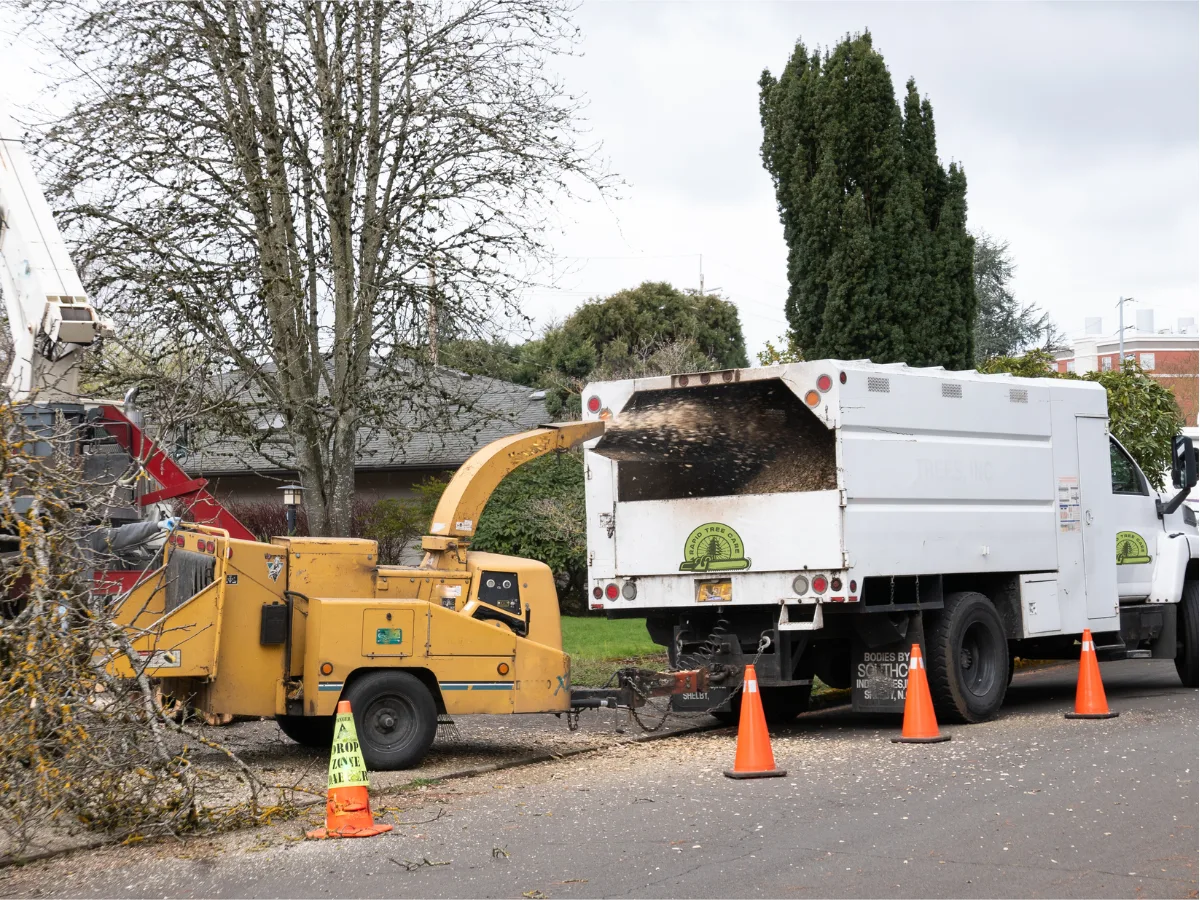
Emergency removal and debris handling are related, but they are not always the same scope question. Rapid Tree Care’s Philadelphia page describes cleanup and says customers can ask to have wood hauled away or left neatly stacked. Confirm what happens to branches, trunk sections, and smaller debris in the particular proposal. If a tree is being removed, ask whether stump grinding is included, optional, or a separate service; the company lists stump grinding as a distinct offering. That distinction helps prevent an assumption that removing the trunk automatically means the stump will also be addressed.
Where access is tight, also clarify where debris can be staged and whether any requested wood should be kept. The point is to match the finish of the job to the property’s actual needs, rather than treating “cleanup” as a vague phrase. Keep the answer with the written scope so it is easy to compare with any other proposal.
Check whether the tree is public or privately managed
A tree beside a sidewalk or curb strip may not be treated like one wholly within a private yard. Rapid Tree Care’s Philadelphia page distinguishes street trees in the public right-of-way and says city authorization may be required for pruning or removal. It also discusses protected trees in certain development contexts. Because the rules can depend on the tree and project, ask who will confirm the applicable requirements before work begins. Do not assume that an emergency description by itself settles the authorization question. The company says it coordinates with the city on relevant cases; confirm whether that applies to this property and what steps are part of the proposed work.
Use the first call to make the proposal comparable
Rapid Tree Care’s listed Philadelphia address is 2701 Moore St, Philadelphia, PA 19145, United States, and its listed phone number is +1 215-857-8870. The company’s Philadelphia service information is at rpdtreecare.com/philadelphia-pa-tree-service/. Contact details can help start a conversation, but confirm current availability, pricing, and the scope directly rather than inferring them from a listing.
Before ending the call, summarize the tree’s condition, exact location, access limitations, and the cleanup result you want. Then ask for a proposal that separates removal, stump work, debris handling, equipment or access assumptions, and any city coordination that may apply. That gives a Philadelphia property owner a concrete basis for deciding whether the plan addresses the urgent problem and what remains to be settled before scheduling.