Compare tree removal estimates by making sure each one covers the same tree, the same finished result, and the same cleanup. A total price means little if one estimate includes stump grinding and hauling while another covers only cutting and removing the trunk. Put the job description in writing, then compare each estimate against it item by item.
Describe the same job to every provider
Start by identifying the tree or trees involved. If there is more than one tree on the property, specify which one is being considered; a general request to remove “the tree in back” can leave room for different interpretations. Note its location in relation to the house, driveway, fence, or other fixed features. A photo or a marked property sketch can help distinguish a particular tree, especially when several are close together.
Then say what outcome you want. “Remove the tree” may mean taking down the above-ground trunk and branches while leaving the stump. It may instead mean removing or grinding the stump as a separate part of the project. Those are different scopes, so name the preferred result rather than assuming every provider uses the same definition.
Use that description for every estimate. If a provider proposes a different method or identifies an added task, record it separately instead of silently changing the shared baseline. You can then compare the base work first and decide whether an optional addition is worthwhile. This also makes it easier to spot when a low total is based on less work, not a better price for the same job.
Separate removal from stump work and cleanup
Cutting down a tree, handling the stump, and removing the resulting debris are distinct parts of a job. Read estimates for each separately. A compact comparison table can expose the differences:
| Scope item | What to compare |
|---|---|
| Tree removal | Which tree and what work is included to take it down and remove the above-ground material? |
| Stump | Is grinding or removal included, excluded, or priced as a separate option? |
| Branches and logs | Will material be hauled away, left in a specified location, or handled another way? |
| Chips and final cleanup | What happens to wood chips and smaller debris, and what condition should the yard be in afterward? |
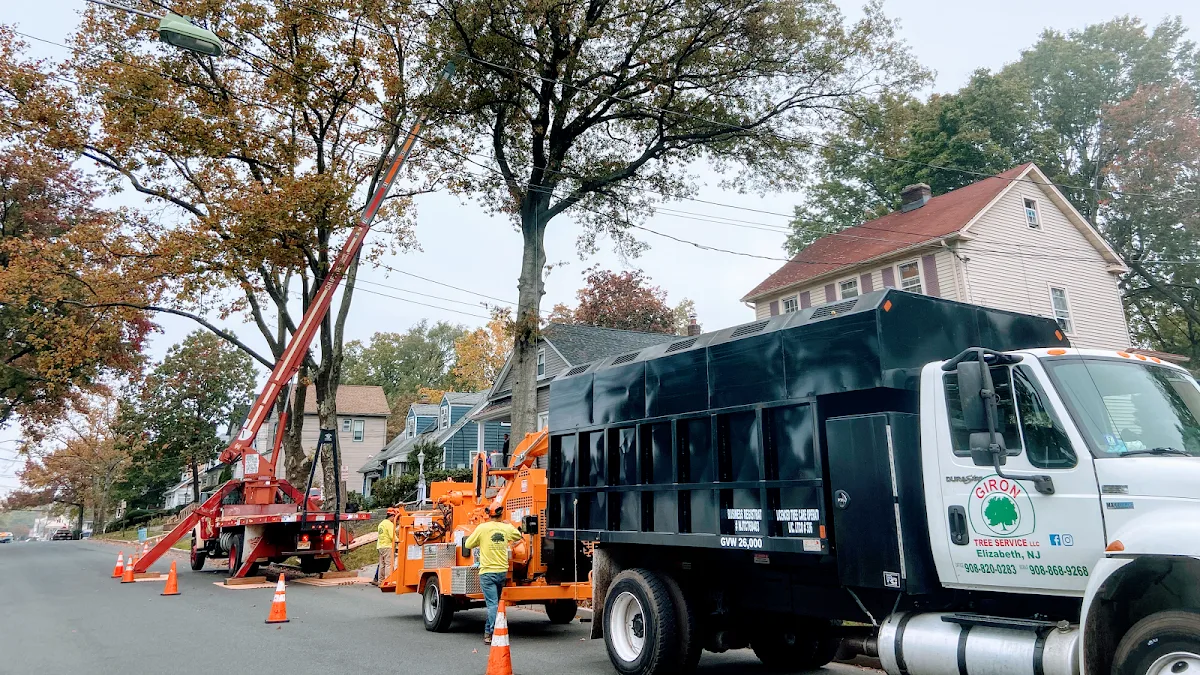
Be specific about the result you expect. For example, if you want logs left for later use, identify where they should be placed; if you expect debris to leave the property, look for that in the written scope. Do not treat “cleanup included” as a complete description unless the estimate makes clear what that means. For a local reference, Estuardo Tree Service LLC lists tree removal and stump removal among its services.
Account for access and nearby features
The route from the street or driveway to the tree can matter to the proposed work. When describing the job, point out narrow gates, fences, buildings, gardens, pavement, or other features between the access point and the tree. The same applies to obstacles near the tree that could affect where material is handled. A provider who sees a different access situation may price or describe a different approach, which makes an unqualified total harder to compare.
Walk the area with each provider when possible, or provide the same useful photos and measurements when an on-site visit is not part of the estimate process. Ask each to identify any site condition that changes the scope or is excluded. If one estimate includes additional work because of a feature on the property, compare that item separately rather than assuming the other estimate covers it. The point is not to judge a work method from a number alone; it is to understand whether the estimates address the same conditions and desired outcome.
Use the written terms to make the decision
Once the work descriptions line up, compare the written terms alongside the price. Check the stated schedule or timing, the payment terms, and any exclusions or separately priced options. Look for wording that leaves a significant part of your requested result unclear, such as whether material is removed or whether stump work is part of the total. Ask about that specific ambiguity before choosing, and have any agreed change reflected in the written estimate or other project document.
Imagine two estimates differ substantially. If one includes stump grinding and hauling while the other excludes both, first calculate what it would take to obtain the same finished result from each. If the scopes already match, then consider the remaining differences in schedule and payment terms. This comparison does not guarantee that every unexpected site condition can be anticipated; it gives you a clear basis for understanding what each stated price covers.
Choose the estimate whose written scope best matches the work you actually want and whose terms you understand—not simply the one with the smallest headline number. If the documents cannot be compared because a key item is missing, resolve that specific gap before authorizing work.