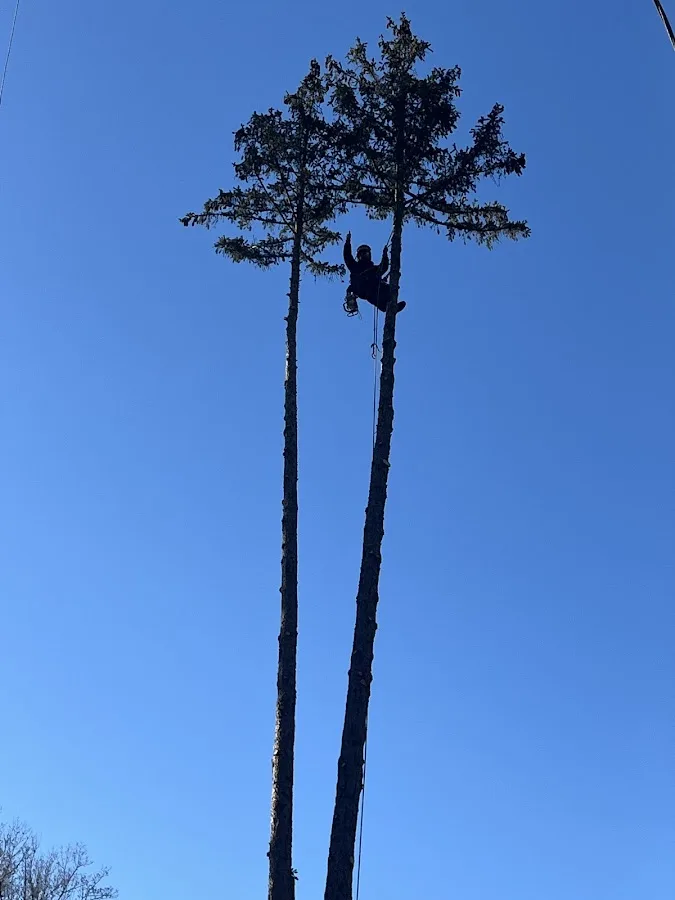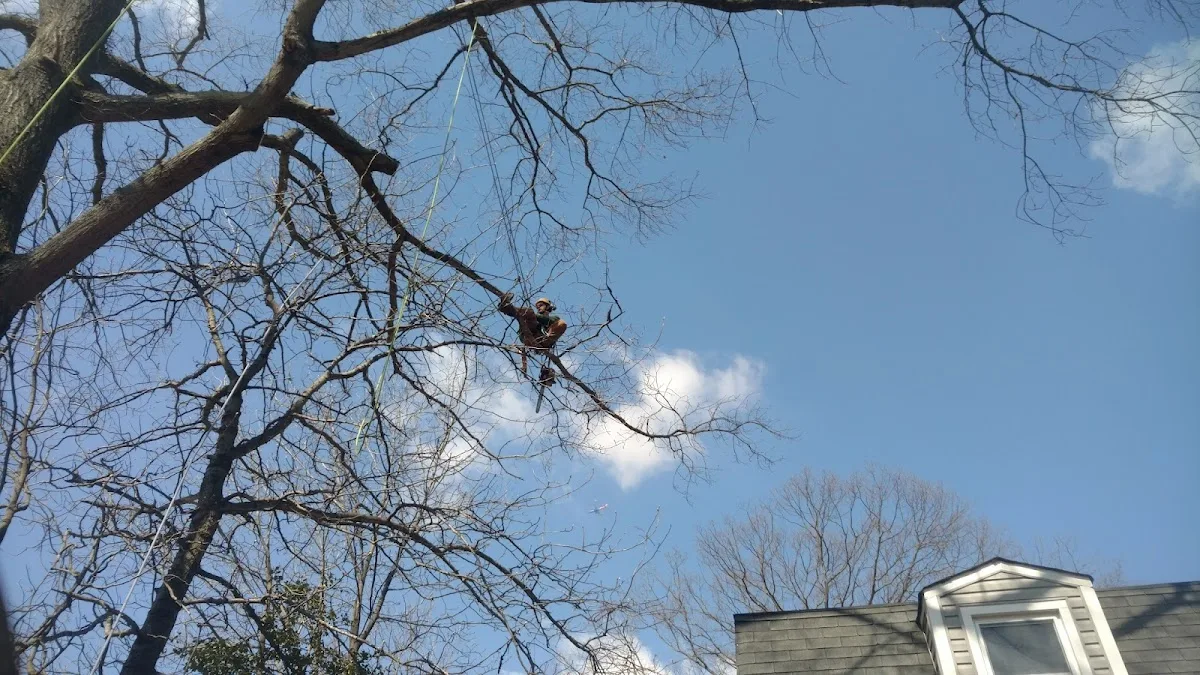
A discolored leaf, a dead twig, or a patch of sparse foliage can signal that something has changed, but one symptom rarely identifies the cause by itself. Pests, disease, and stress around the roots may produce overlapping signs. A more useful first step is to compare the affected area with healthy parts of the same tree, record where symptoms appear, and consider what has changed at the site. That information helps separate observation from diagnosis—and diagnosis from the later choice of care.
Treat visible symptoms as clues, not a diagnosis
Start by describing what you can see without assigning a cause. “Several leaves on the lower east side are yellowing” is more useful than “the tree has a fungus,” because the first statement records an observable pattern while the second assumes an explanation. Note whether leaves have changed color, whether branches are bare or broken, and whether the condition affects one section or much of the canopy.
Compare like with like. A few damaged leaves among otherwise normal foliage mean something different from similar changes appearing across many branches. Look at the same kind of growth in more than one part of the tree, and distinguish a localized branch problem from a broad decline. The location also matters: symptoms concentrated at the tips, in the interior canopy, or near the base are observations to report, not proof of a particular cause. A written description or dated photograph can make gradual change easier to recognize than memory alone.
Keep the symptom and possible cause in separate notes. For example, a homeowner might record “small holes and ragged edges on leaves” and list insect feeding as one possibility, rather than deciding that an insect is responsible. This leaves room for another explanation and prevents a treatment decision from resting on a single striking mark.
Look for patterns that point toward different kinds of stress
Visible insects, eggs, webbing, or repeated feeding damage may raise the possibility of pest activity. Even then, one hole or mark is not a reliable identification: damage can persist after the cause is gone, and physical injury can resemble feeding. The useful question is whether multiple clues occur together and whether they are present on the affected growth, rather than whether one unusual mark can be found somewhere on the tree.
Fungal disease is another possible source of decline, but leaf spots, dieback, and discoloration can overlap with other stresses. A symptom’s shape or color may help describe the problem, yet it does not by itself establish which organism is involved. Root-zone conditions deserve consideration as well. Compacted soil can make it harder for roots to function normally, while changes in moisture or drainage may affect the growing conditions around them. Because roots are less visible than foliage, decline in the canopy may be the first change a homeowner notices.
These possibilities are not mutually exclusive: a tree can experience more than one stress at a time. Instead of choosing a category from a single sign, look for a coherent pattern across the tree and its surroundings.
Add timing and site history to the picture
When symptoms began can narrow the questions worth investigating. Record an approximate start date, whether the change appeared suddenly or gradually, and whether it is worsening, easing, or returning. If only one section changed after a recent event, that timing may be more informative than the current appearance alone. A simple sequence—what looked normal, what changed, and when—gives an evaluator a clearer account than “it has looked unhealthy for a while.”
Also note changes around the tree. Recent digging, grading, construction, altered drainage, or a shift in how water reaches the area may matter even when the visible symptom is on a branch. Nearby changes in shade or competition can also alter the setting in which the tree grows. These details do not prove that a site change caused the problem; they help frame plausible questions alongside the pattern in the canopy.
For a hypothetical example, suppose a tree develops sparse leaves after work disturbed soil nearby. The observation is the reduced foliage, the timing is after the site work, and the disturbance is relevant history. Keeping those facts distinct avoids turning sequence into certainty while still giving the assessment a useful starting point.
Identify the problem before selecting a treatment
Treatment follows the cause, so the order matters: describe the symptoms, consider their pattern and context, then determine what problem is actually present. A product or intervention aimed at insects will not address soil compaction, and a response to a suspected disease may be unnecessary if the symptoms have another explanation. Choosing a treatment before identifying the issue can waste effort and make it harder to understand whether the tree’s condition is changing.
When asking for an evaluation, share the affected areas, the dates or progression you observed, and relevant changes around the tree. Ask what evidence supports the suspected cause and how the proposed care relates to it. For local directory details, see Kono Tree Care.