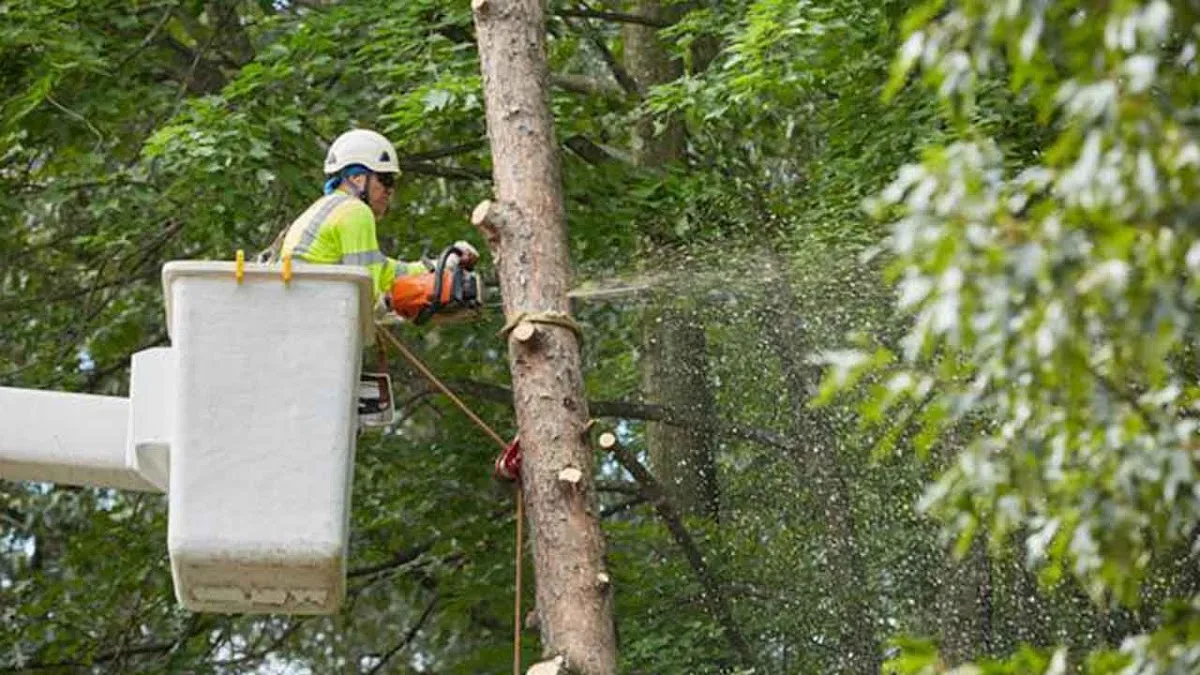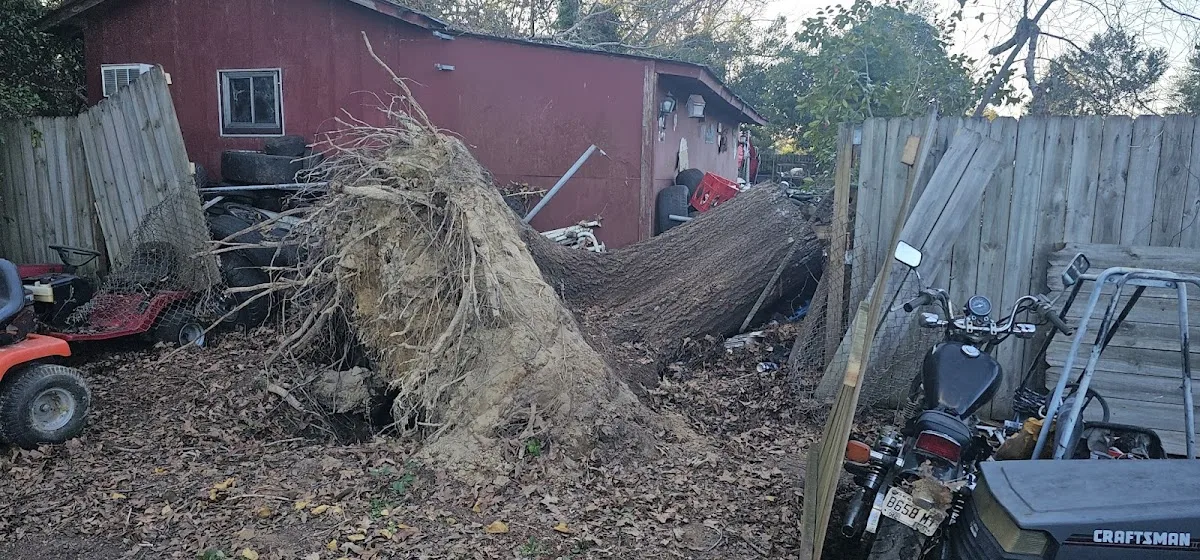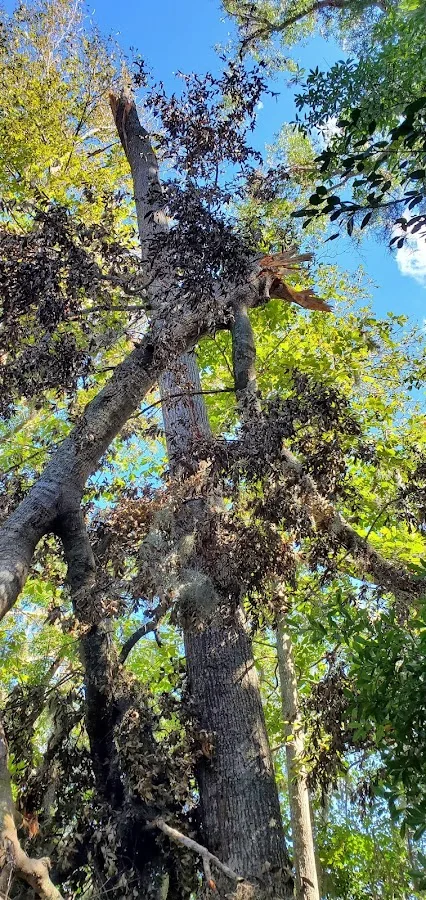
Prune a tree when the concern is specific to selected branches or growth; consider cabling or bracing when a structurally weak limb or trunk may be retained with added support; removal takes the tree out rather than treating it in place. The right comparison starts with where the weakness is and what the proposed work is meant to change—not simply with how dramatic one visible symptom looks.
What each treatment changes
These options do different physical jobs, so they are not interchangeable. Pruning removes selected branches or growth. It can address a branch-level concern or alter crown structure, but it does not reinforce a weak trunk. Cabling and bracing add support to structurally weak limbs or trunks when the tree is a candidate to remain. Removal eliminates the tree itself instead of retaining it with a treatment.
A useful way to compare them is to name the part being changed and the intended result:
| Option | What changes | Problem it may address |
|---|---|---|
| Pruning | Selected branches or growth are removed | A concern centered on particular branches or crown structure |
| Cabling or bracing | Support is added to a weak limb or trunk | A structural weakness in a tree that may be retained |
| Removal | The tree is taken out | A situation where the tree is not to remain |
The distinction is about the target of the work. Cutting away a branch and supporting a weak union are different interventions; neither should be described as though it automatically solves a concern located elsewhere in the tree.
Locate the weakness before choosing a treatment
Start by describing the concern as specifically as possible: is it limited to one branch, at the junction of major limbs, in the trunk, or spread across the tree’s structure? A dead or damaged branch points toward a different part of the tree than a crack or decay concern involving the trunk. Those observations help frame the question, but an in-person assessment is needed to connect visible signs to the tree’s structure and determine what they mean in context.
For example, imagine that one large limb has a visible crack while the trunk appears intact. The relevant discussion is whether the weakness is confined to that limb and whether it can be addressed while retaining the tree. If the concern instead involves the trunk or several major connections, pruning one branch may not address the location of the weakness. The same general symptom—such as a crack—can therefore lead to different treatment discussions depending on where it occurs and how much of the tree is involved.
When describing the issue, note what you can see without trying to diagnose it: the affected part, approximate position, whether more than one area is involved, and any recent change. That description makes it easier to discuss a recommendation in terms of the actual target, rather than choosing a service name before the problem has been defined.
Consider what could be affected if the tree or limb fails
Condition is only one part of the decision. The surroundings determine what could be affected if a limb or the whole tree failed. A defect above a regularly used path, a building, or a parking area presents a different practical concern from one above an unused part of a property. Nearby utility lines also matter to how the situation should be considered.
Think about both the object below the tree and how often people are nearby. A branch over a seldom-used corner and a branch over an entrance may look similar, but the consequences of failure are not the same. Likewise, a weakness in a tree near a structure calls for a different conversation about exposure than a similar concern in open space. This context helps explain why a recommendation may address a particular limb, add support, or propose taking the tree out.
Match the recommendation to the outcome you need
Evaluate a proposed treatment by asking what it is intended to accomplish and whether that goal matches the location of the concern. If the issue is branch-specific, ask how selective pruning is meant to address that weakness. If a structural weakness is in a limb or trunk and retaining the tree is being considered, ask what the support system is intended to support. If the stated goal is to eliminate the tree as the source of the concern, removal is a different outcome from pruning or support.
Say a tree has one concerning limb over a driveway, while the trunk and other major structure are not the focus of the assessment. A branch-level treatment may be the relevant option to discuss. If the concern is instead a weakness in the trunk, removing a few outer branches does not perform the same job as adding support or removing the tree. These examples show why the recommendation should connect three things: the identified part, the intended treatment, and the outcome sought.
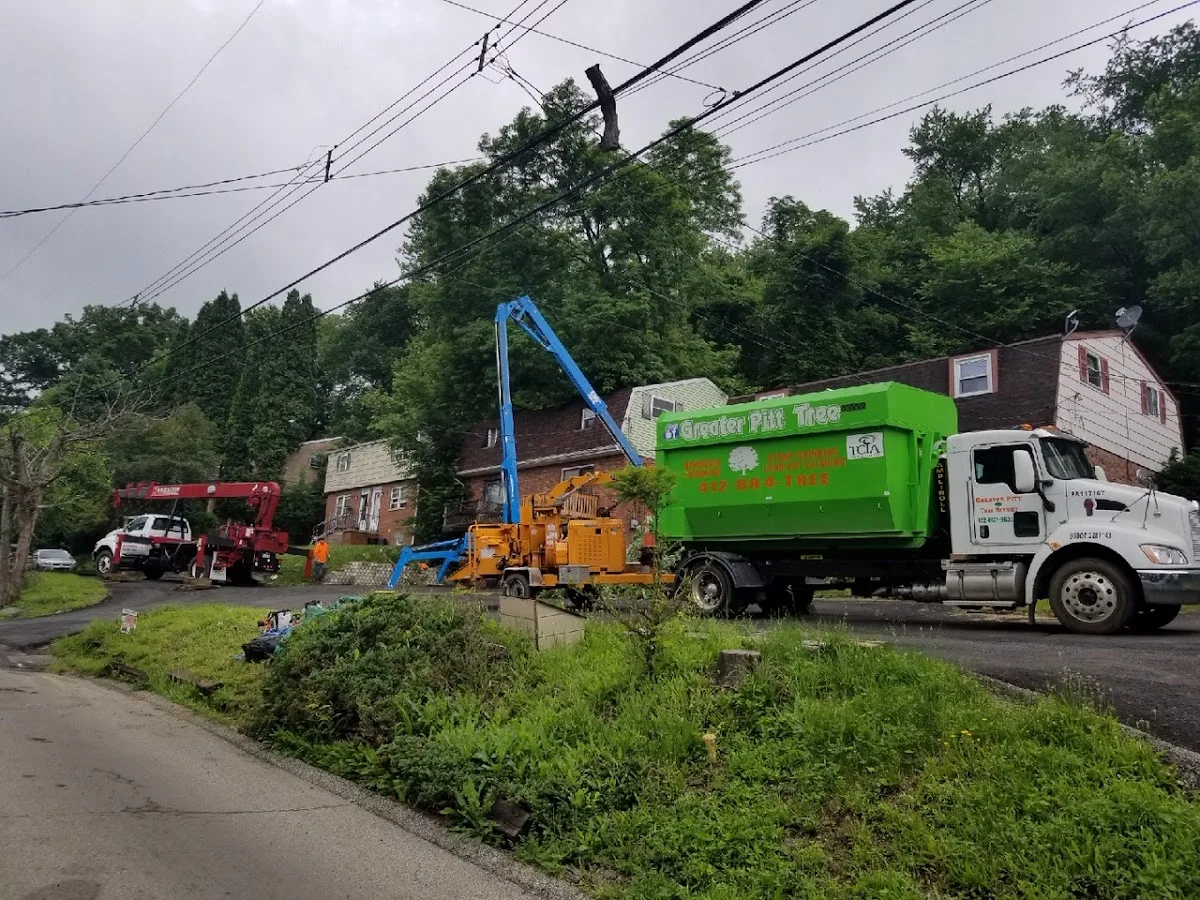
For a local point of contact, see Greater Pitt Tree Service LLC.