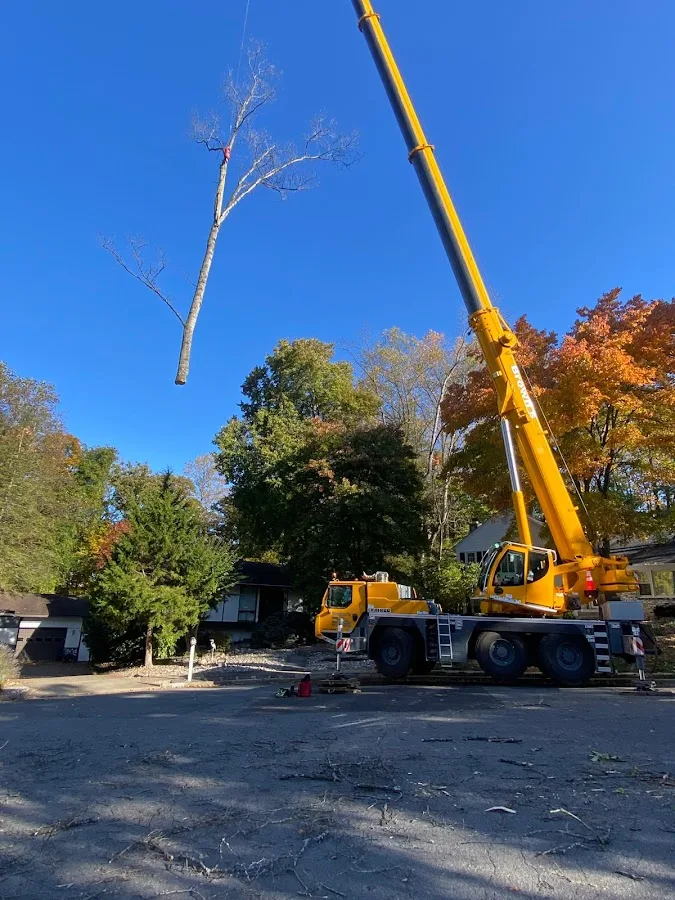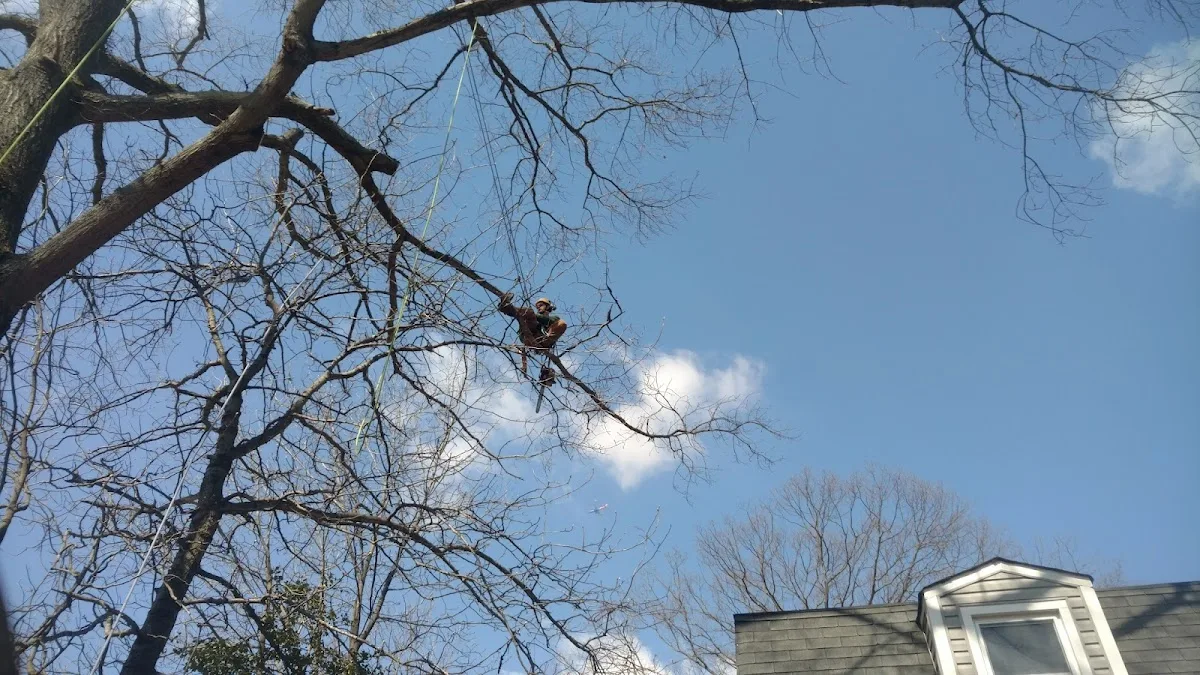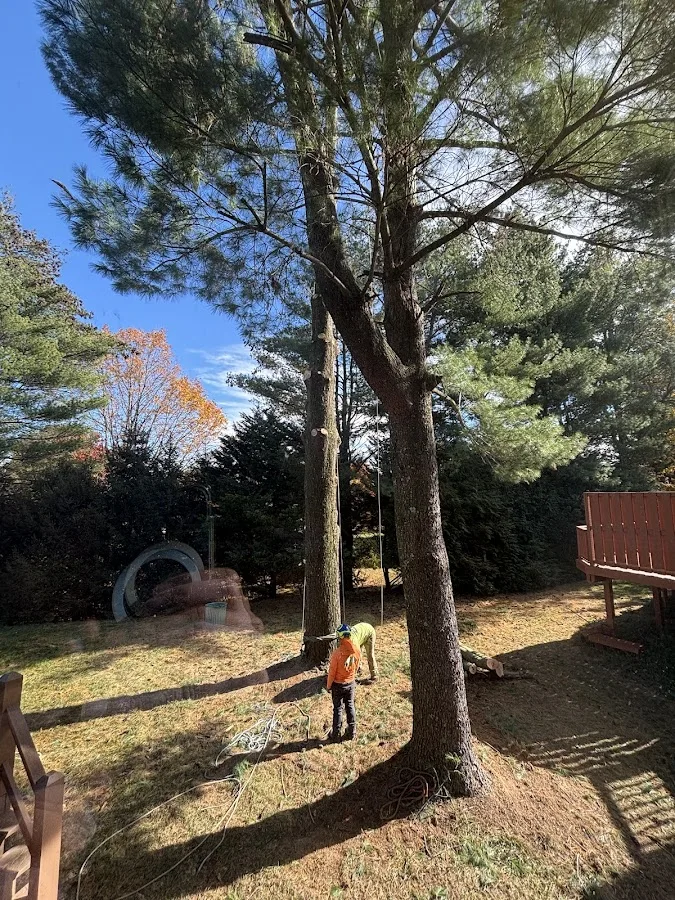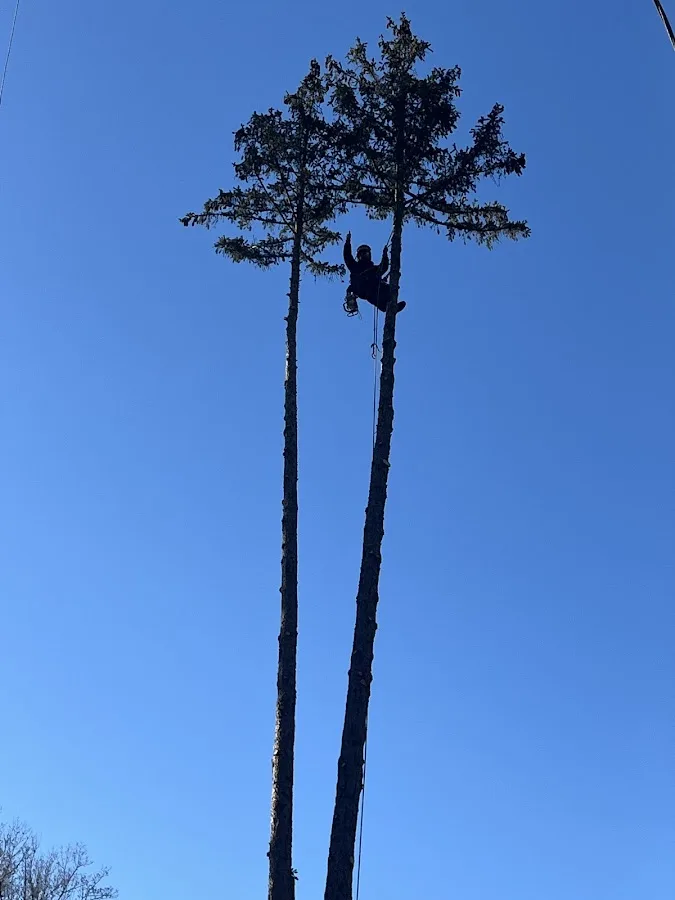
A lower tree-care estimate is not necessarily a better value if it covers less work or leaves important responsibilities unclear. To compare providers fairly, first check whether each is suited to the specific task, then line up the written scope, exclusions, cleanup, and job coordination. Only after those differences are visible can you judge whether the prices are truly comparable.
Check whether the provider fits the work
Tree care covers different kinds of work, and general experience does not automatically show a provider’s fit for every task. Before weighing amounts, describe the work you need and ask about experience with that particular type of job. A discussion about removing a tree, for example, should address that proposed work rather than rely only on a broad statement about years in tree care. The goal is to understand the fit between the provider’s experience and the work in front of you.
Ask what documentation the provider can supply for insurance and clarify what work it applies to. Treat that documentation as a separate question from task-specific experience: one does not answer the other. You are gathering information to compare candidates, not assuming that a general assurance resolves every detail. If the estimate or conversation uses broad terms, ask for a plain-language explanation of what they mean for your particular project.
Make the written estimates comparable
A useful estimate identifies the trees or work areas and describes the tasks proposed. A heading such as “tree service” may identify a general category, but it does not let you tell whether two proposals include the same work. Compare the descriptions line by line where possible. Note which trees or areas are included, what work is proposed for each, and whether the document separates different tasks rather than bundling them into an unexplained total.
Next, compare what each estimate excludes and what it says about cleanup. One proposal may include removal of material from the work area while another may leave some cleanup to the homeowner; the price difference then reflects a difference in responsibility, not necessarily a more efficient offer. Avoid assuming that an item is included simply because it seems like a natural part of the job. If the estimate does not say, mark it as unresolved and ask for the scope to be clarified in writing.
Look for differences in the limits of the offer, too. A specific description helps you understand what the provider is proposing and what remains outside that proposal. This makes it easier to compare like with like and to decide whether you want additional work included, rather than discovering after choosing that the estimates addressed different versions of the project.
Check how the job will be coordinated
The property itself can affect how a job is arranged. Tell each provider about relevant access constraints, such as a narrow entrance or a limited work area, and see whether the proposed approach accounts for them. Explain what lies near the work area or could affect access, using details that matter to your property. If a provider has not addressed a constraint that could change the plan, ask how it affects the proposal before treating the estimate as complete.
Clarify who will communicate schedule changes and what you are expected to coordinate before work begins. The useful comparison is not a promise that no change will occur; it is whether you understand how communication is supposed to work. For instance, in a hypothetical project where access depends on keeping a driveway clear, ask who will let you know if the planned timing changes and what you should have ready. Keep that arrangement distinct from the work description itself: a clear task list does not automatically explain coordination.
Use a simple comparison method to make the choice
Put the estimates side by side and mark whether each clearly identifies the work, lists exclusions, explains cleanup, and addresses coordination. Use “clear,” “different,” or “unanswered” rather than guessing what a vague line means. For every unanswered item, write the exact question it raises. For a hypothetical pair of proposals, one might clearly describe the work but leave cleanup open, while another might state cleanup but use a broad task label. Neither is fully comparable until those gaps are understood.
Once the differences are visible, compare the prices in context. Ask whether the lower figure still covers the work you want, whether the higher figure includes something useful to you, and whether either proposal needs clarification or revision. A simple table can help:
- Work: Are the same trees, areas, and tasks described?
- Limits: Are exclusions and cleanup responsibilities clear?
- Coordination: Are access and communication expectations addressed?
- Price: What does each amount cover after the differences above are accounted for?
For neutral local navigation, you can view the detail page for Commonwealth Tree Care. In any comparison, choose based on a scope you understand—not on a number stripped of the work and responsibilities behind it.