Storm damage turns tree care into a sequence of decisions: Is the tree still standing, what could it reach if it fails, and which parts of the work need to be priced separately? The SavATree record for the South Burlington area is categorized as Emergency Tree Removal Service and lists tree removal, emergency storm damage, stump grinding, tree trimming, and arborist-related signals. That combination gives a property owner a useful starting point, but it does not replace a site-specific assessment.
Does the South Burlington listing match the job location?
The listed address is 376 Patchen Rd, South Burlington, VT 05403, United States, while the service record identifies Burlington as the service area. Before discussing a fallen limb or unstable tree, a homeowner should confirm that the crew serving the property is connected to this local listing and that the address is current. Location matters when access, travel time, nearby structures, or storm-related demand could affect scheduling. SavATree’s listed phone number is +1 802-862-0302, which provides a direct way to verify the branch, current service scope, and the right contact route.
When is emergency tree removal the central question?
Emergency storm damage is the clearest reason to treat the first call as a hazard assessment rather than a routine trimming request. A tree leaning toward a home, driveway, power line, or frequently used walkway may require immediate caution even when it has not fallen. The record supports asking about emergency storm-damage work, but it does not establish response times or guarantee availability. Until the situation is assessed, people should keep clear of damaged trees and avoid approaching branches that are suspended or under tension. Utility lines require the utility provider or an appropriately qualified professional, not an improvised cleanup attempt.
What does the documented tree-removal scope suggest?
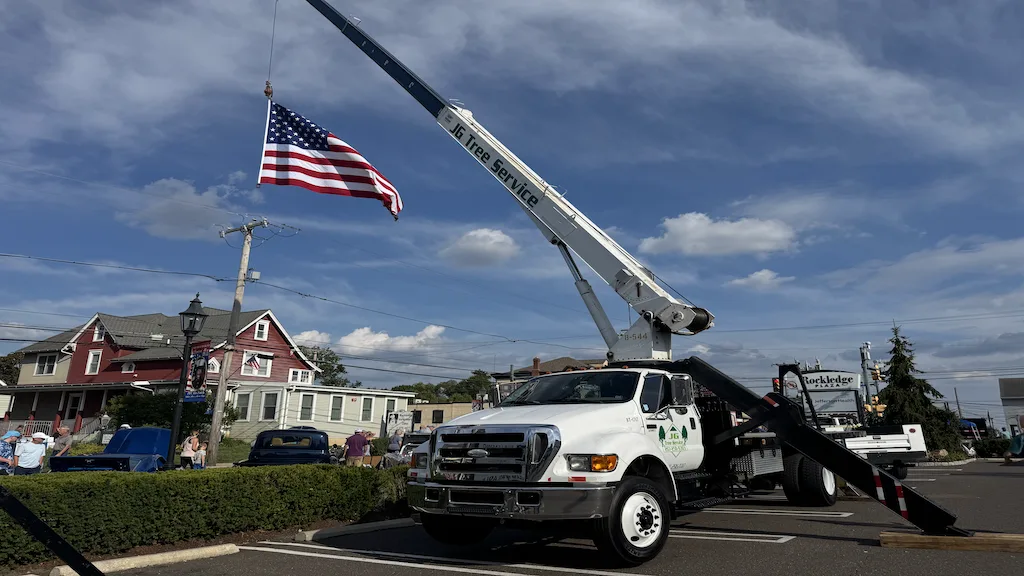
The official SavATree material lists Tree & Stump Removal and Emergency & Storm Damage among its tree-care options. It also describes a consultation process with an ISA Certified Arborist and notes that equipment choices can depend on tree size and location, including a bucket truck, chipper, or, for very large jobs, a crane. Those details help a property owner frame a better conversation: Which sections will be removed first? How will the crew protect the structure and manage debris? Does the access route accommodate the proposed equipment? The page does not turn every listed option into a promise for every property, so the written scope should identify what has actually been recommended.
Why should stump grinding be priced separately?
A removed tree and its remaining stump are related but distinct tasks. SavATree’s local signals include stump grinding, while the official service menu separately references tree and stump removal. A comparison becomes clearer when the estimate says whether stump work is included, how far below grade the grinding will reach, what happens to chips, and whether surface restoration is part of the project. These questions are especially useful when a stump sits near a foundation, fence, drainage feature, or a route that must remain usable. The local record confirms the service signal; it does not confirm a standard price or a uniform restoration package.
How can a consultation produce a comparable plan?
SavATree directs visitors to its consultation page at savatree.com/schedule-consultation.html. The page describes scheduling a consultation with a local arborist and receiving professional diagnosis and personalized recommendations. A homeowner can make that meeting more productive by preparing photographs from a safe distance, the property address, notes about when the damage occurred, and a list of structures or access points that must be protected. The goal is not to force a particular method; it is to document the condition and compare the proposed sequence, equipment, debris handling, stump treatment, and exclusions with other written proposals.
Which questions should be settled before work begins?
Before accepting a plan, ask whether the proposal covers only removal or also trimming, stump grinding, hauling, and site cleanup. Confirm who handles utility coordination when relevant, what access the crew needs, and which conditions could change the scope. The property owner should also request the current business and insurance documentation appropriate to the project, along with any warranty or payment terms being offered; none of those details should be assumed from a directory category. SavATree’s South Burlington listing supplies a concrete identity, phone number, address, and documented tree-service signals. The final decision should rest on the verified job scope, site conditions, and current answers from the company—not on a generic emergency label alone.