Hiring a tree service can feel straightforward until the crew arrives and the real constraints show up: how close the tree is to a house or fence, whether equipment can reach the trunk, and what “cleanup” actually includes. Precision Cutting Services in New Haven, CT focuses on removals that many contractors would rather avoid—jobs where control, staging, and ground protection change the outcome.
Here’s how to use their publicly described process and local signals to decide whether they’re a good fit, and what to ask before you commit.
1) Confirm the problem type: difficult removals need a plan, not just a saw
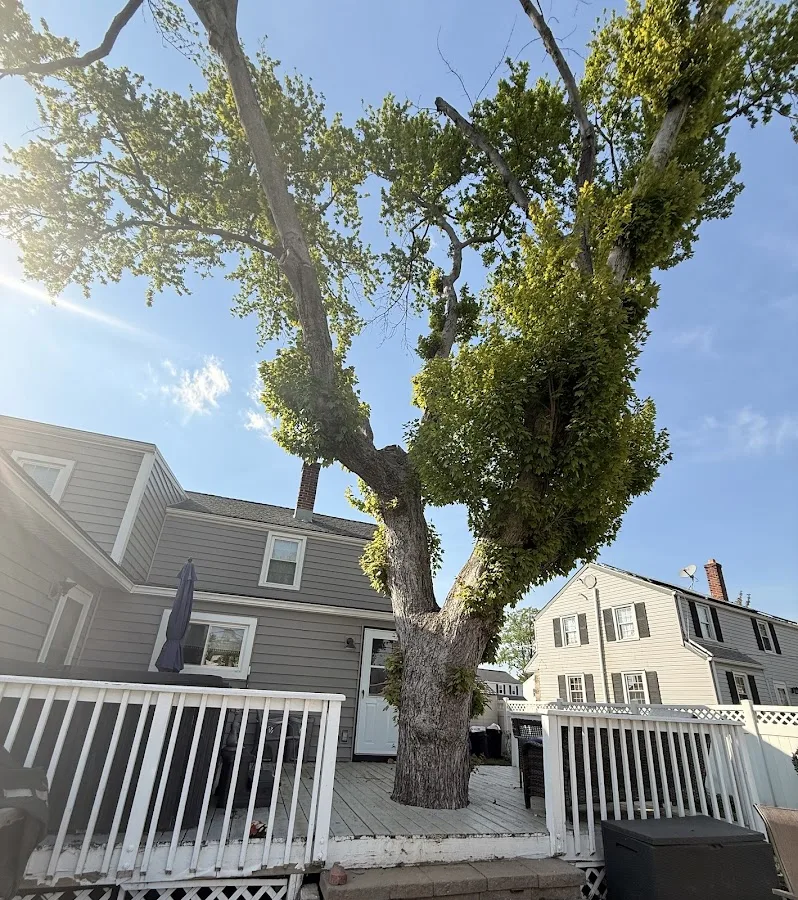
Precision Cutting Services describes handling tree removals that are commonly “hard jobs,” including trees standing close to a house, leaning or split trees after storms, removals on steep or awkward lots, and situations where a truck can’t get near the trunk. If your situation matches any of those patterns, treat it as a sign to ask for a controlled approach in the proposal—not just a line-item price.
From their service page, they emphasize that the work isn’t only the cut; the surrounding conditions under and around the tree matter just as much. If your property has tight access, steep ground, or elevated targets like nearby structures, ask how the crew will manage the work sequence so sections can be lowered and directed safely rather than dropped.
What to ask in the first call
Use language tied to the risks you see: “How will you protect the ground and nearby surfaces?” “Will sections be roped and lowered?” and “What’s your plan if the bucket truck can’t reach the trunk?” Those questions map directly to the type of removals they say they specialize in.
2) Match the estimate to access reality (especially if a truck can’t reach)
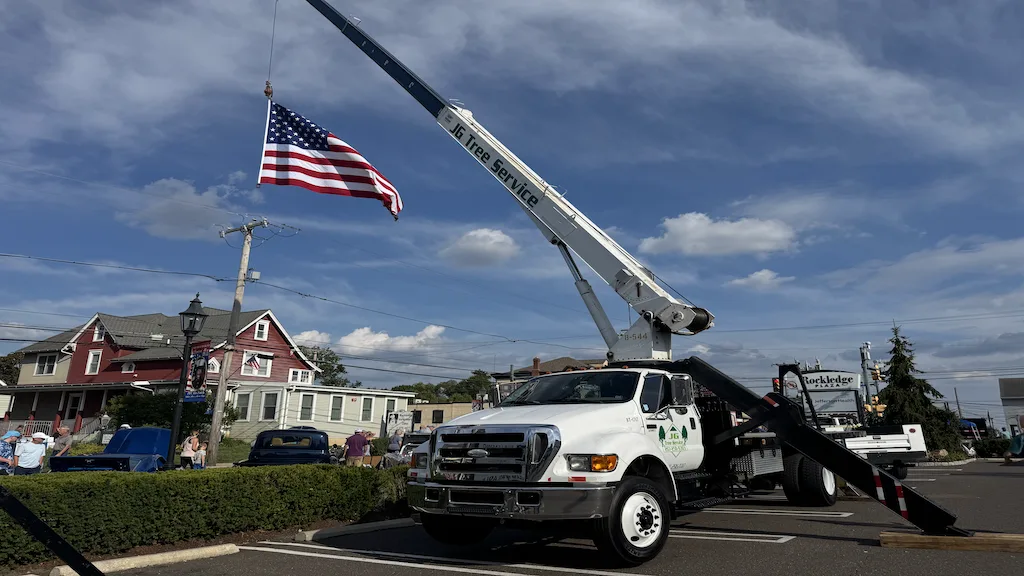
When equipment access is limited, a “standard” plan often fails. Precision Cutting Services’ description highlights difficult access as a recurring reason jobs become complex—such as steep lots near sensitive areas or corners where the bucket truck cannot reach. That matters because access affects everything: rigging needs, where debris will land, and how much ground protection is required.
Before approving an estimate, ask for a clear scope that addresses staging and equipment limits on your specific site. If there’s a driveway, walkway, or lawn area that must stay intact, reference it when you request the written proposal.
Practical signal to use: they describe scheduling with a window after you decide to move forward. That’s a cue to ask for the crew’s planned work window and to confirm there’s enough time on that day to complete the removal and cleanup portion you’re paying for.
3) Get cleanup defined as part of the job (not an afterthought)
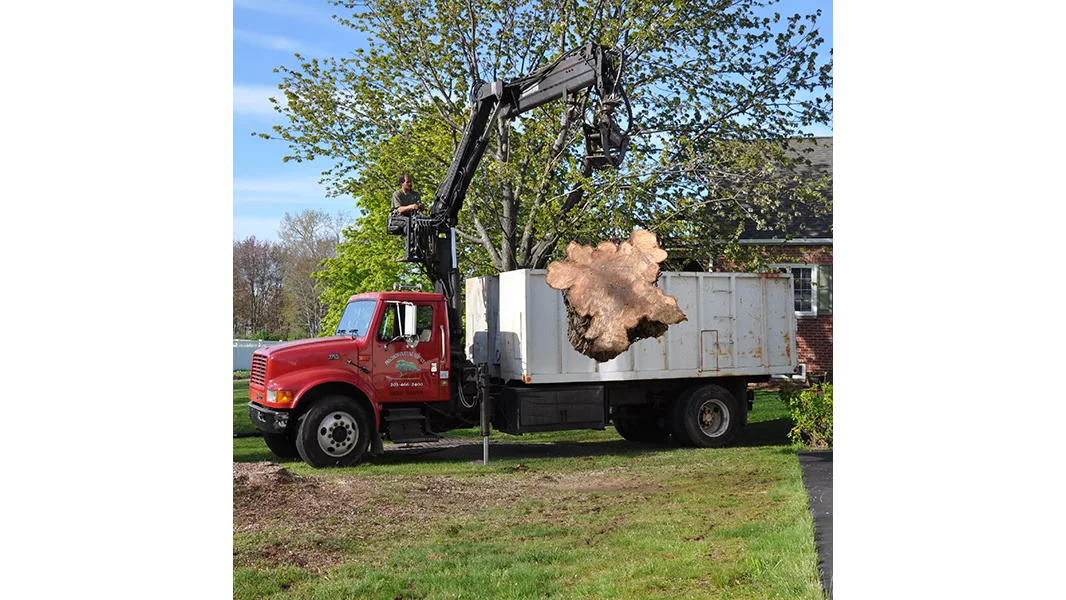
One reason tree removal bids get compared poorly is that cleanup is vague. Precision Cutting Services states that cleanup is part of the job, including clearing brush and wood and leaving the site clean. Treat that as a minimum standard you should mirror in your approval.
Make cleanup measurable
Ask what “cleanup” includes in plain terms for your property—especially where chips, brush, and cut sections will end up. If you need the area left ready for the next homeowner task, request the crew’s approach to yard finish and whether additional debris removal is handled within the same scope.
4) Use their documented process to structure your decision
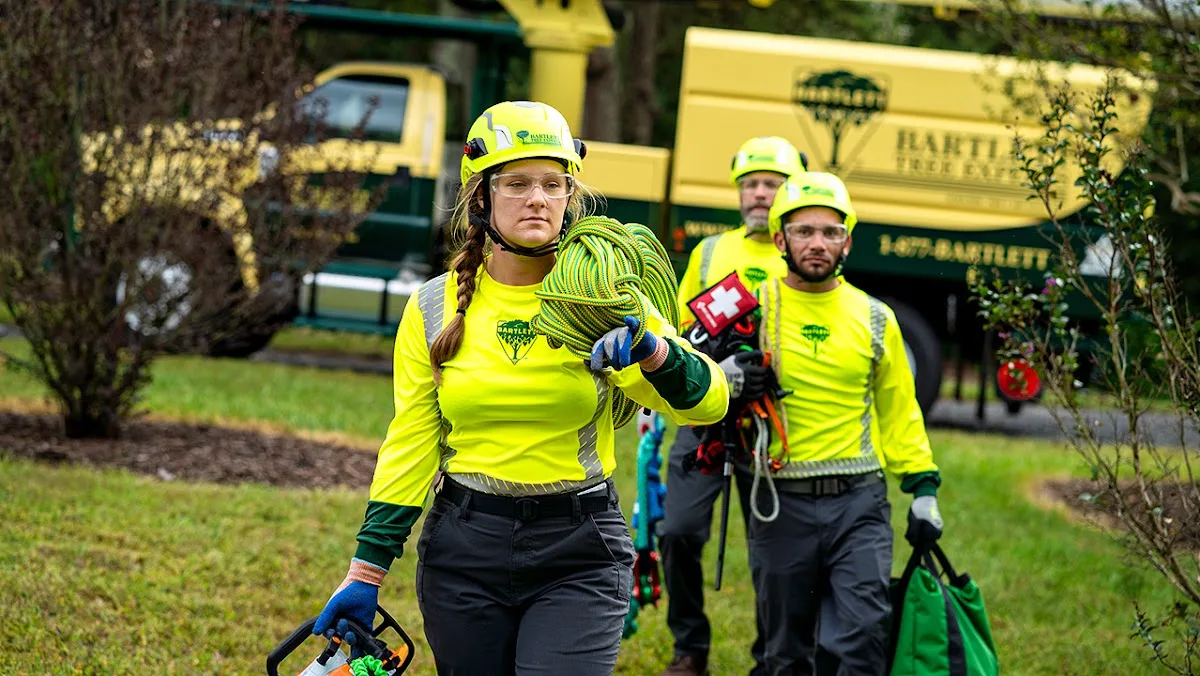
Precision Cutting Services describes a four-part flow: an initial office call with scheduling, an in-person estimate handled by Paul at your property, a written proposal by email, and then scheduling the crew’s work window. They also describe controlled removal in sections, and ground protection mats to prevent equipment from tearing up lawn areas.
This process gives you a way to evaluate whether the quote is thoughtful:
(a) Do you get a written proposal that lays out the work and price in plain terms?
(b) Does the plan reflect the site conditions you showed during the visit?
(c) Is the approach consistent with controlled sections and roped/lowered limbs when the tree is close to structures?
Contact signals you can verify before booking
If you want a local starting point for your request, their service materials list 145 Stuyvesant Ave, New Haven, CT 06512, United States, and phone number +1 203-466-2400. Their published service page for tree removal includes an official link at https://www.precisioncuttingservicesct.com/services/tree-removal/.
Before you schedule, verify the details you actually care about: what’s included for stump work (if applicable), how debris and wood are handled on your lot, and how access constraints will be managed on your day of service. A good fit isn’t just the right price—it’s the clearest match between your property’s constraints and the removal plan.