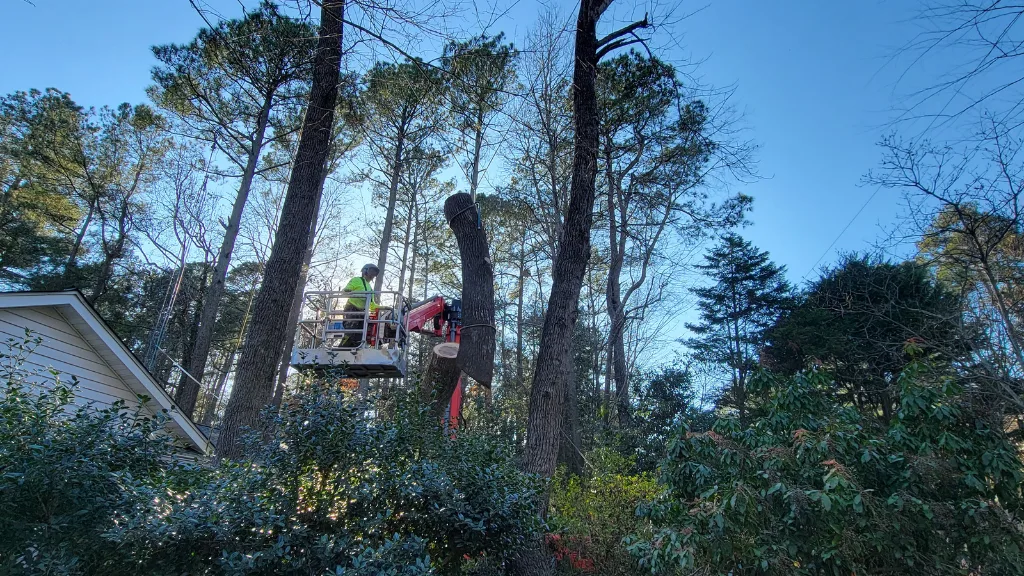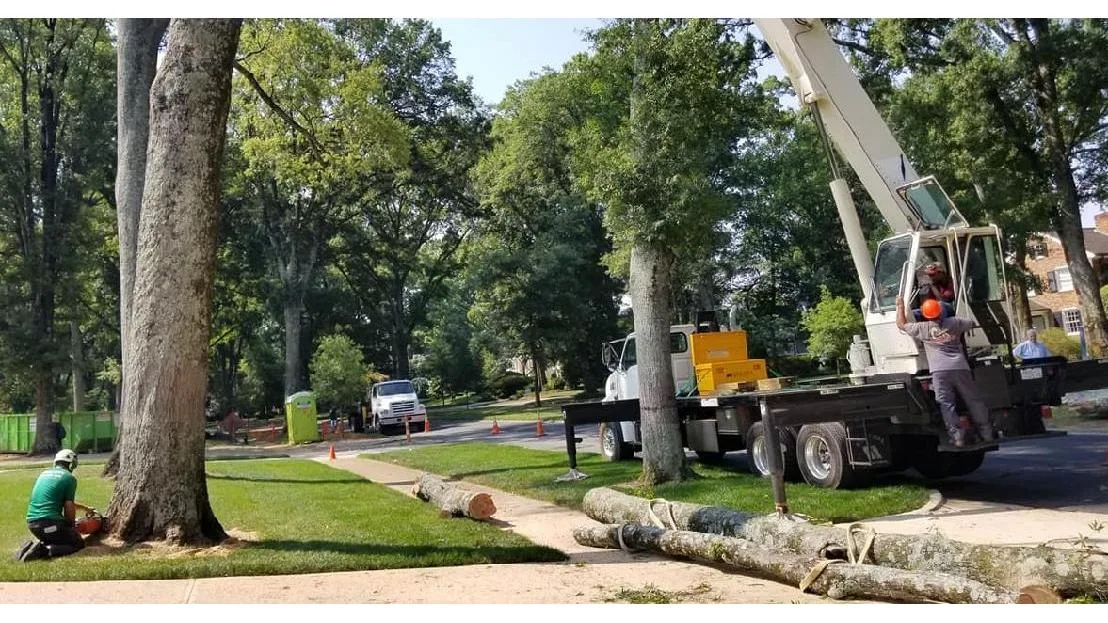
Choose tree work by naming the result you need, not by guessing which service label sounds right. Trimming changes selected branches or canopy growth; removal takes down the whole tree; stump grinding deals with what remains at ground level. If you cannot tell whether the tree needs pruning or removal, an arborist’s assessment can help define the problem before you commit to a scope of work.
Identify which part of the tree needs work
Start with the object of the job. If the tree is staying and the concern is a particular limb, overgrowth, or canopy shape, trimming may fit the desired result. Be ready to point out the tree and describe what you want changed. “Make the branches clear of this area” is a more useful project description than a broad request to cut the tree back, because it gives the provider a specific outcome to discuss. Timing is separate from scope: Mel’s FAQ says the best trimming period depends on species and notes that most trees benefit from late-winter or early-spring trimming. Identify the species when discussing the schedule, since the general timing does not fit every tree.
Removal is a different decision: it means taking down the tree, rather than selectively cutting branches. It may be the scope you have in mind when the whole tree is the concern. In Greensboro, Mel’s Tree Service lists tree removal, tree trimming, and stump grinding among its services.
Stump grinding is a separate task after a tree has been removed; it does not take down a standing tree. Mel’s Tree Service offers the option to dispose of the resulting wood chips or repurpose them in a garden. If you want the area usable afterward, say so when discussing the work and ask what the proposed scope leaves behind.
Choose assessment before work when the scope is unclear
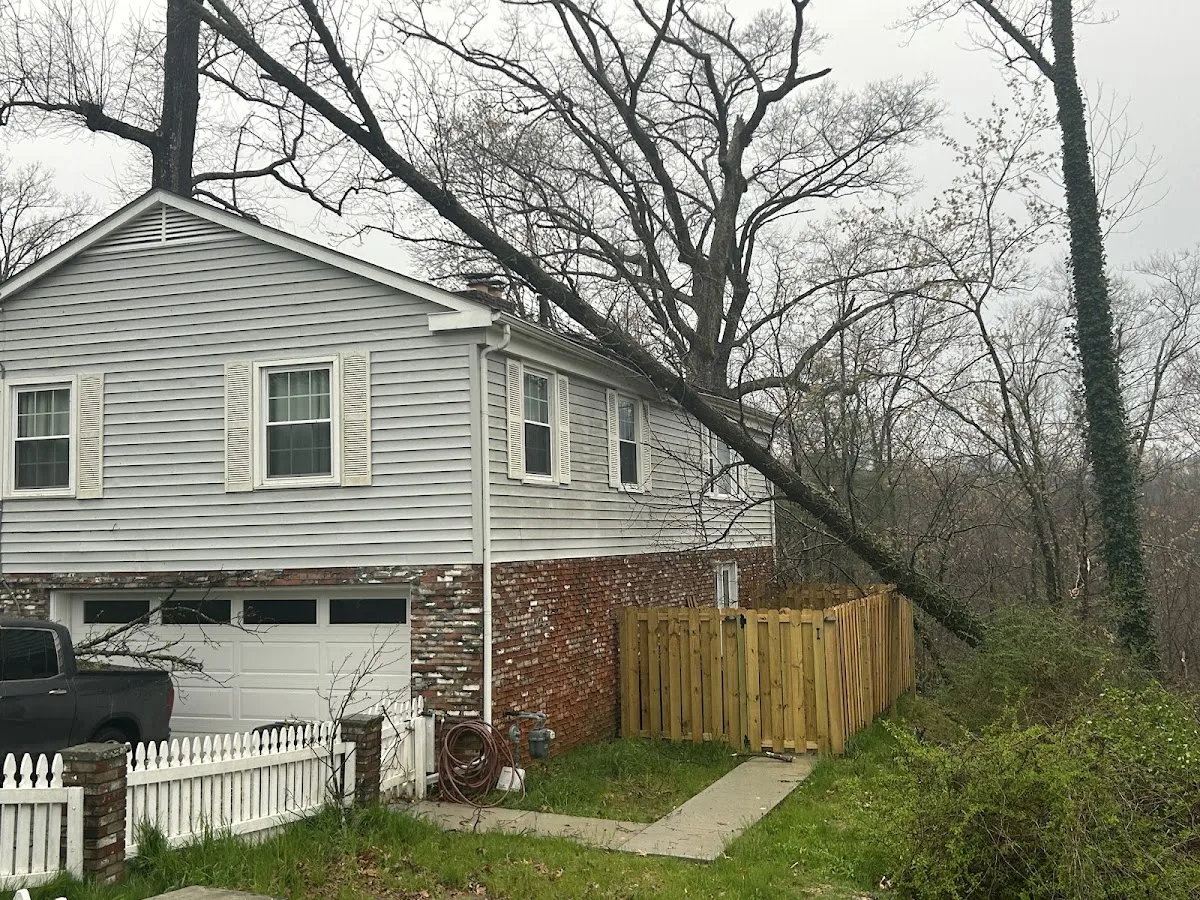
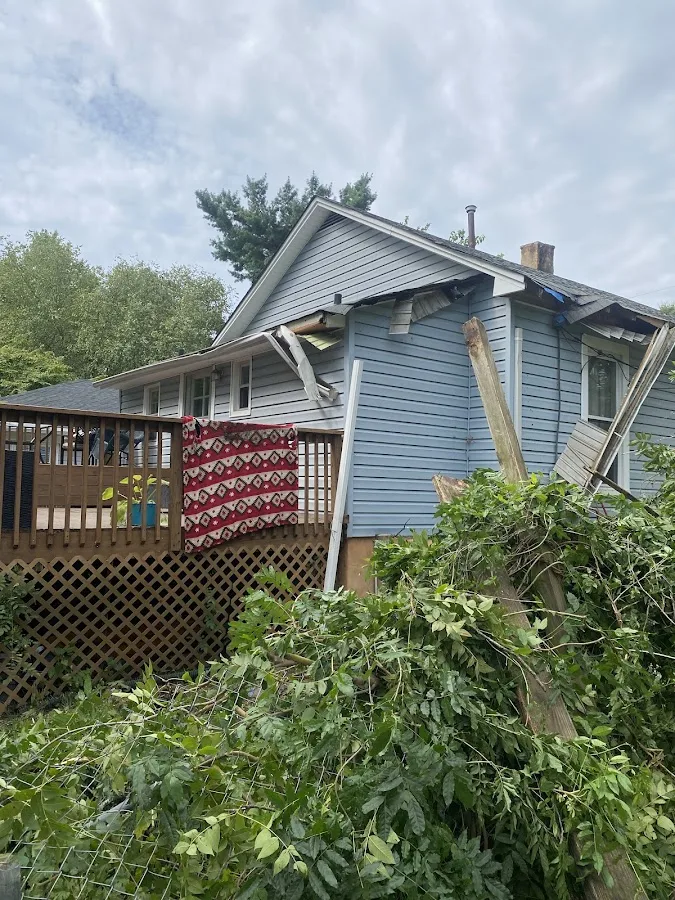
Sometimes the desired outcome is obvious; the condition of the tree is not. A homeowner may see a damaged-looking limb, sparse growth, or a leaning trunk and be unsure whether to trim, remove, or leave it alone. A service label cannot diagnose the tree. An arborist can assess the condition and explain what intervention, if any, fits the situation. For a branch hanging dangerously over a home or power lines, Mel’s Tree Service advises seeking professional help rather than attempting the work yourself. That step is especially useful before comparing bids, because it helps establish what the job is supposed to accomplish.
Mel’s Tree Service says it has a certified arborist on staff and offers 24-hour emergency service. Greensboro homeowners with an uncertain tree condition or an urgent hazard can contact the company to discuss the situation.
Compare estimates by the work they specify
Once you know the intended result, compare estimates that describe the same scope. Ask each provider to identify the tree or trees, the work included, and what the site should look like when the job is finished. If one proposal covers selected limbs and another covers full removal, their totals do not represent equivalent work. A price comparison is meaningful only after those differences are made visible.
For a removal, clarify whether stump grinding is included or separate, and ask how the estimate treats debris and cleanup. For trimming, identify which parts of the canopy are included rather than relying on a general phrase such as “tree trimming.” Read estimates for exclusions as well as included work; a clear list of what is omitted helps distinguish a lower price from a narrower job.
For a Greensboro tree project, request a free estimate from Mel’s Tree Service and review the proposed work before deciding whether it matches your needs.