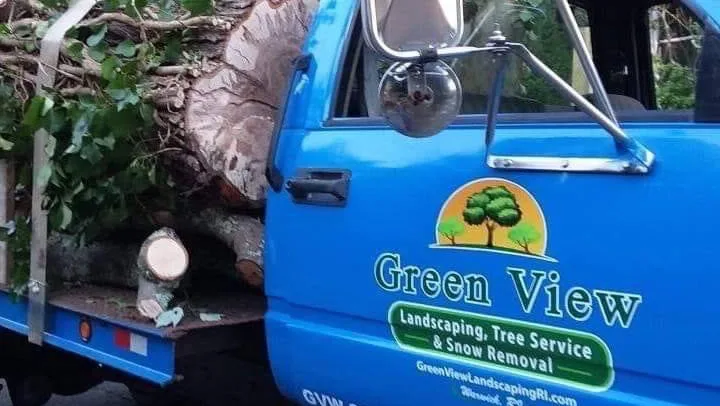
Choosing a tree contractor is less about finding someone who will “do tree work” and more about confirming you’re paying for the same end-state on your property. If you’re considering Green View Tree Service in Cranston, Rhode Island, this guide walks you through the specific details you should verify—so the job you approve matches what you actually need.
Start with the end-state you want (removal, not just cutting)
Before you compare quotes, write down what “finished” means for your site. For example: do you need a hazardous tree removed completely, do you also need stump work, and what level of cleanup should you expect?
Green View Tree Service publicly highlights tree removal and stump removal as part of its service mix, so your questions should focus on the total outcome: stump removal versus stump grinding, debris haul-away versus on-site chipping, and how they handle the final yard appearance after equipment leaves. If you can describe the end-state clearly, you can spot proposals that look similar but deliver different results.
Confirm the project scope matches your exact risk
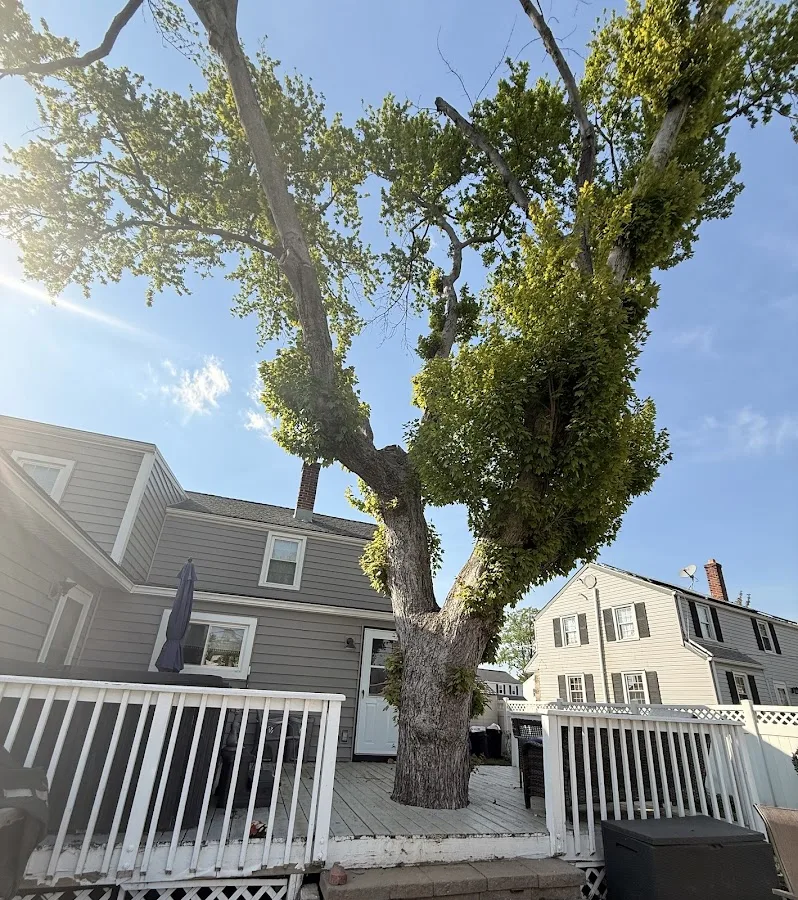
Tree work scope changes quickly when there’s proximity to structures, driveways, fences, or other obstacles. Treat your first call like a risk walk: identify what the tree threatens (or what it blocks), then ask the contractor to explain how they’ll manage it on your property.
On Green View’s official site, the company also lists services such as tree trimming and “tree risk assessment,” along with vegetation management and land clearing. Those signals are useful, but they still don’t replace a site-specific plan. Ask them to explain which parts of your job fall under trimming, which parts fall under removal, and whether any additional scope (like vegetation management around the work area) is likely.
Clarify stump work terms before anyone schedules equipment
Stumps are a common place where misunderstandings start. “Stump removal” can mean different things depending on the contractor and the condition of the stump. Ask for the exact stump end-state in writing: will the stump be fully removed, ground down to a specific depth, and what happens to the remaining roots?
For a practical example, if you’re planning to replant, install landscaping, or keep a mowing path free of trip hazards, you need a defined outcome—not a vague promise to “handle the stump.” Make sure the proposal ties stump scope to your intended use of the area.
Verify local fit and logistics using Green View’s published details
Local fit matters because tree work is constrained by access and safety, not just by availability. Green View Tree Service lists an address at 109 Fletcher Ave B, Cranston, RI 02920, and a phone number of +1 401-298-3407, plus an official website at http://www.greenviewtreeservice.com/. Use those details to confirm you’re talking to the right operation and to cross-check the service channel you’ll use for scheduling and updates.
Also ask about how they handle job-day access. Even with a good plan, the job can’t proceed smoothly if gates, overhead lines, or driveway clearances aren’t considered. Prepare a quick list: your most important access route, any “no-go” areas for equipment, and where debris should be staged.
Compare cleanup and “yard readiness” like a contractor would
Two bids can both include “cleanup,” yet still leave you with very different yard results. To compare apples-to-apples, ask what cleanup includes: removal of branches and logs, sweeping or raking of disturbed ground, and whether they return after the work to address remaining debris.
Green View’s site messaging also mentions support for residential, commercial, and government clients, which can be a sign they’re used to different types of properties. Still, your yard outcome depends on your job specifics. Request a written description of debris handling and the boundaries of cleanup so there’s no guesswork on the day of the job.
Ask how they structure written scope and revisions
If you see changes in scope during the job—often due to hidden roots, unexpected hazards, or access issues—you want a clear process for revisions. Ask how they document changes, how they price extras (if any), and what authority they have to proceed without additional approval.
This protects both sides and makes it easier to evaluate whether the contractor is planning the work or improvising it.
When you should call (and what to prepare)
Call when you can’t confidently assess risk or when the tree’s condition is affecting safe use of the property. Before the first visit, gather basic info: photos from multiple angles, the tree’s general location relative to structures, and any urgent constraints (like a driveway you need to keep clear).
Then use this question set: What is the exact end-state for removal and stump work? How will access and safety be handled on my property? What does cleanup include, and where are the cleanup boundaries? If the answers are specific and written, you’re closer to a confident decision.
With Green View Tree Service, you have a clear starting point—published contact details, a defined service category, and a menu that includes removal, pruning, and stump work. Your next step is to confirm scope and end-state so the final result is “safe, cleared, and yard-ready,” not just “tree pieces removed.”