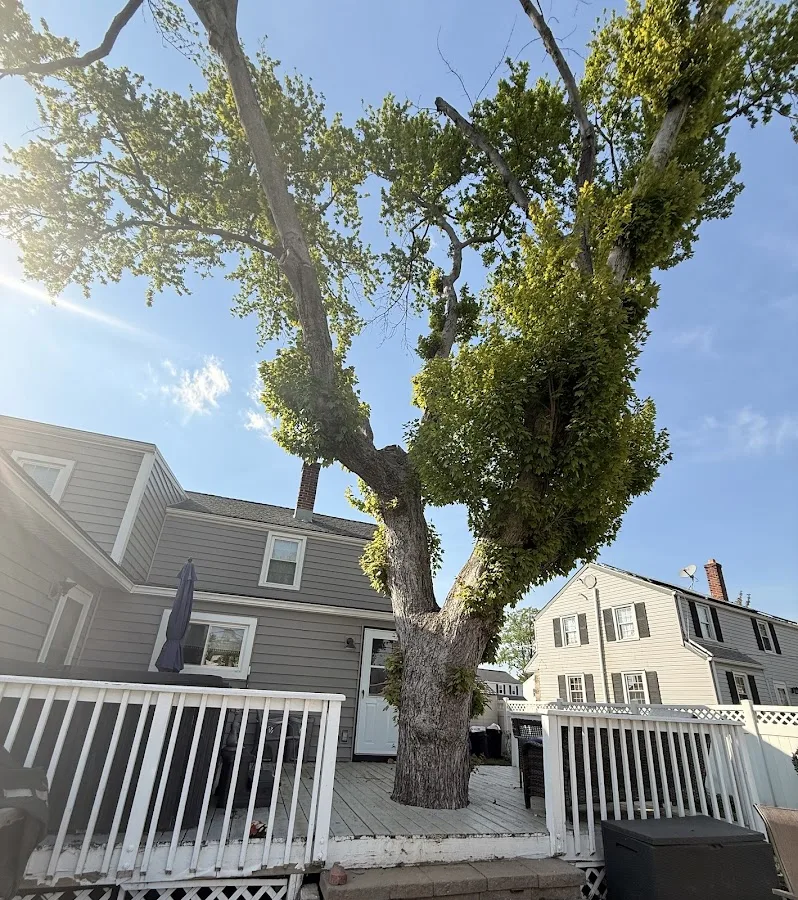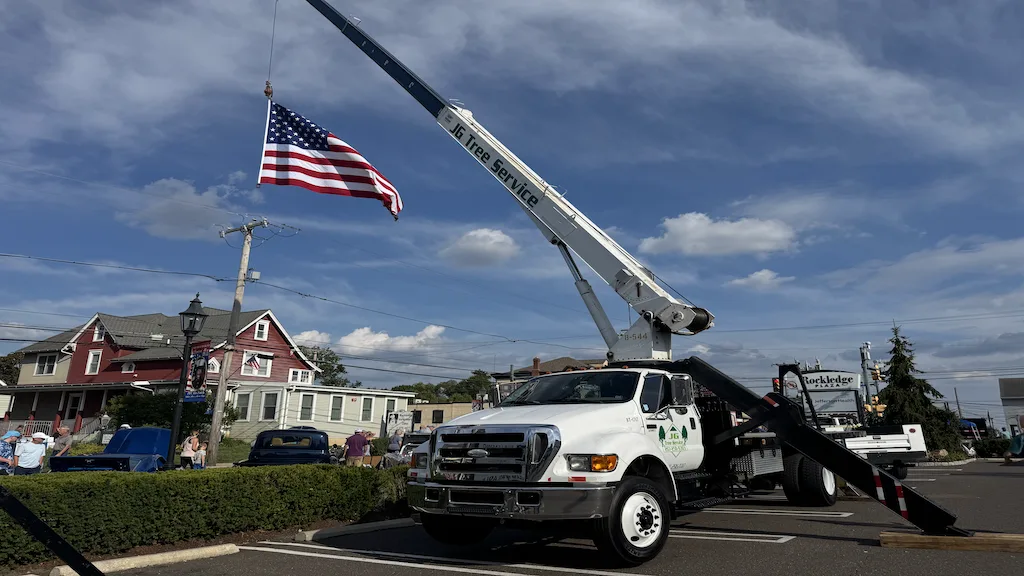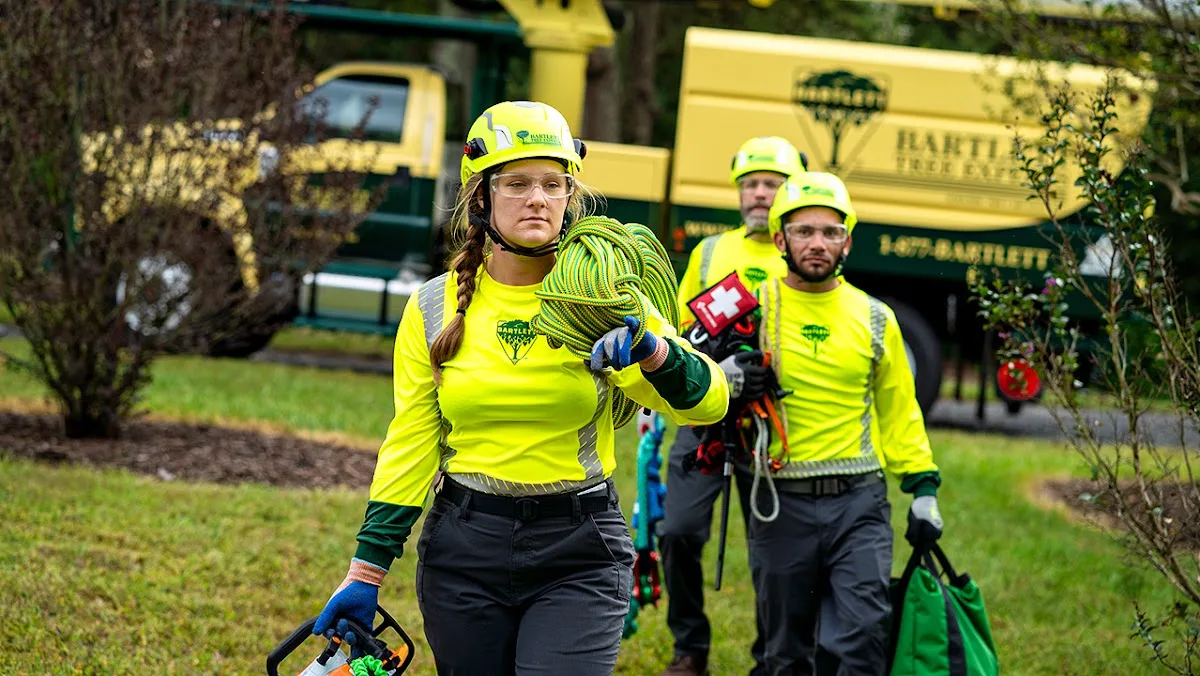
Choosing a tree service in Stamford starts with a clearly described property problem, not simply the phrase “tree work.” A leaning tree near a driveway, declining shrubs, compacted soil, or a stump left after removal can require different assessments and different work plans. Almstead Tree, Shrub & Lawn Care is listed in the local record as a Tree Service at 16 Wire Mill Rd, Stamford, CT 06903, United States. That gives property owners a concrete starting point, but the useful comparison comes from matching the documented scope to the actual site conditions.
The company’s Stamford branch page also provides a broader service picture for Fairfield County. Because the local listing and the official page should be checked together, customers can use the information to prepare a more precise request without assuming that every listed option applies to every property.
Almstead’s Fairfield County scope covers more than removal
The official Stamford page lists tree and shrub care, including tree and stump removal, tree pruning, hand shrub pruning, cabling and support systems, specimen tree planting, and tree fertilization. It also describes lawn-care work such as core aeration, overseeding, soil analysis, compost top dressing, and fertility or weed and pest control options. That range matters because a homeowner may initially describe a symptom—thin turf, dead branches, or a crowded canopy—without knowing whether the appropriate response is pruning, soil work, plant-health monitoring, or removal.
The same page identifies plant-health services including monitoring, insect and disease control, tree and shrub fertilization, tick suppression, deer control, and winter evergreen protection. These are not interchangeable services. A request should identify the affected plant, the visible change, the location on the property, and how long the issue has been present. That information helps the conversation stay focused instead of turning a broad service list into an assumed recommendation.
Property access can change the practical work plan
Stamford properties vary considerably in driveway width, lot layout, overhead lines, neighboring structures, fences, and the distance between a tree and a street. Those details can affect equipment access, crew movement, debris handling, and the sequence of work. Before requesting a scope, a customer can photograph the tree or planting area from several angles and note nearby buildings, utility lines, gates, retaining walls, parked vehicles, and surfaces that need protection.
For a pruning or removal request, it is also useful to record whether branches overhang a roof, road, walkway, or neighboring parcel. For a planting or soil-related request, note sun exposure, drainage patterns, irrigation, deer activity, and any recent construction. These observations do not replace an on-site assessment, but they make the initial description more useful and help reveal which questions require a direct answer.
The address and phone number deserve a quick verification
The current local record gives Almstead Tree, Shrub & Lawn Care the phone number +1 203-403-0684 and the address 16 Wire Mill Rd, Stamford, CT 06903. The official Stamford branch page fetched for this review displays a different street address, 547 Hope Street, Stamford, CT 06907, along with a Stamford office phone of 203-348-4111. That difference is important rather than something to smooth over in a comparison article. Customers should confirm the current office location and the right contact number before visiting, sending documents, or arranging a site conversation.
The official page links to Almstead’s Stamford branch at almstead.com. Calling the number shown in the current listing, or using the official branch page, provides a reasonable way to reconcile the records. Contact details, service territory, and appointment procedures can change, so they should be confirmed directly.
A written scope makes tree-service comparisons fairer
When the work may involve removal, pruning, stump treatment, cabling, planting, or plant-health care, ask for a written description of what is included. The scope should identify the trees or beds involved, the intended work, debris and stump handling, access assumptions, timing, exclusions, and any follow-up visits. If a recommendation involves soil analysis, disease control, organic options, or ongoing monitoring, ask what observation or test supports that recommendation and how results will be communicated.
Cost comparisons are meaningful only when the scopes describe the same work. One proposal may include hauling, while another may leave material on site. One may address a single tree, while another covers a broader property program. Separating labor, materials, cleanup, recurring care, and optional items helps a Stamford property owner compare decisions rather than just totals.
What a prepared first conversation should establish
A useful first call can begin with the property address, the specific concern, photographs if requested, preferred timing, and any access limitations. The customer can then ask whether the branch handles the requested work in the property’s area, whether an assessment is needed, which parts of the work are included, and how changes to the scope are handled. If the issue involves a tree near a public way, utility, or neighboring property, ask who is responsible for coordination and what the customer must arrange.
Almstead’s official Stamford page presents a substantial tree, shrub, lawn, and plant-health service range, while the local record supplies a Stamford contact point and the Tree Service category. Those facts are useful starting points, not substitutes for a current site-specific scope. Verifying the address and phone discrepancy, describing the property constraints, and requesting clear written inclusions will give a Stamford customer a more reliable basis for deciding whether the proposed work fits the property.