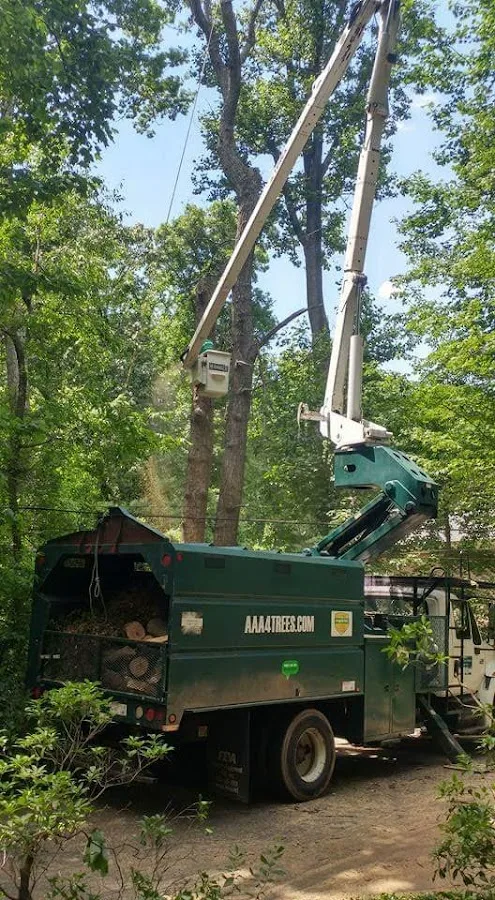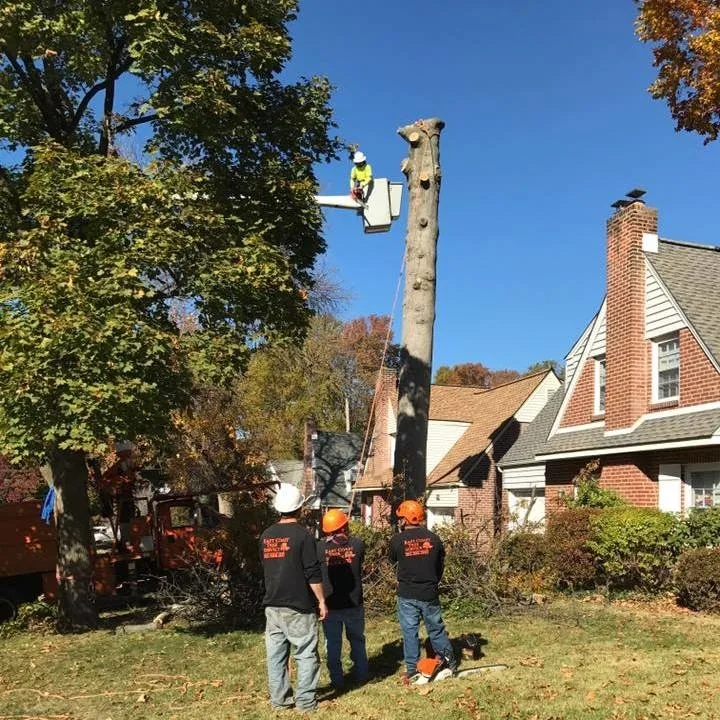
For routine structural pruning, late winter or the dormant season is a useful default for many deciduous trees. But a calendar date is not the whole answer: trees grown for spring flowers may be better pruned after blooming, while a broken or hazardous limb should be treated as a safety issue rather than left until winter. Start by deciding what the pruning is meant to accomplish.
Start with the reason for pruning
Pruning is not automatically an annual chore. Before making a cut, identify the particular branch or outcome that matters. Structural pruning aims to guide the tree’s form or address branches that cross, rub, or grow in an unsuitable direction. Removing a dead branch has a different purpose from shaping a young tree, and neither goal requires trimming every part of the canopy.
That distinction prevents unnecessary work. If the canopy is healthy and there is no defined issue to address, a routine date on the calendar is not, by itself, a reason to prune. A focused goal also makes timing easier to choose: preserving a flower display can conflict with shaping the structure, and fruit production may depend on retaining the growth that bears the crop.
Use dormancy for routine structural work
For many deciduous trees, late winter—when the tree is dormant and its leaves are down—is a practical time to assess routine structure. With the foliage gone, the arrangement of limbs is easier to see. A crossing branch, a dead section, or an awkwardly placed limb is less hidden by leaves, so it can be considered in the context of the whole framework.
Pruning before spring growth also gives the tree a growing season in which to respond. The dormant-season preference is a useful general rule, not a universal prescription: tree species, local weather, and the reason for pruning can change the decision. For example, if your goal is to improve a young tree’s basic structure, the leafless canopy may help you see which branches compete for space. If the job is instead to keep a flower display, the bloom cycle may matter more than that visibility.
Prune flowering trees after they bloom
If spring flowers are a major reason you value a tree, wait until its flowers fade before routine pruning. Many spring-flowering trees form the buds for the next display before the following spring arrives. Cutting during dormancy can therefore remove buds that would otherwise open, even when the cut is intended to tidy the shape.
Consider the trade-off before choosing a date: pruning just after bloom can preserve the current season’s flowers, while waiting may mean living with the tree’s existing form longer. Trees valued for fruit present a related but distinct timing question. Pruning can affect the growth that carries a crop, and the pattern differs among kinds of trees. Identify whether the priority is fruit, flowers, or structure before selecting a timing recommendation for the particular tree; a general dormant-season rule cannot settle all three goals.
Handle damaged limbs as a separate decision
A broken, hanging, or unstable limb that could fall on people, a building, or an access route should not wait for the preferred pruning season. Keep people away from the area and do not stand beneath or attempt to remove a suspended limb. If a branch is near electrical wires, stay well clear and contact the appropriate utility or emergency authority rather than approaching it.
From a safe distance, note what appears to have failed and what the limb could reach. That information helps distinguish a prompt hazard response from routine maintenance, without requiring you to inspect the damaged branch up close. In Baltimore, ABC Tree Experts is one local tree-service business.
When there is no immediate hazard, the pruning goal and the tree’s flowering or fruiting cycle provide a more useful guide than a fixed month. The right timing is the point at which the intended benefit—clearer structure, preserved blooms, or a managed crop—best fits the tree in front of you.