
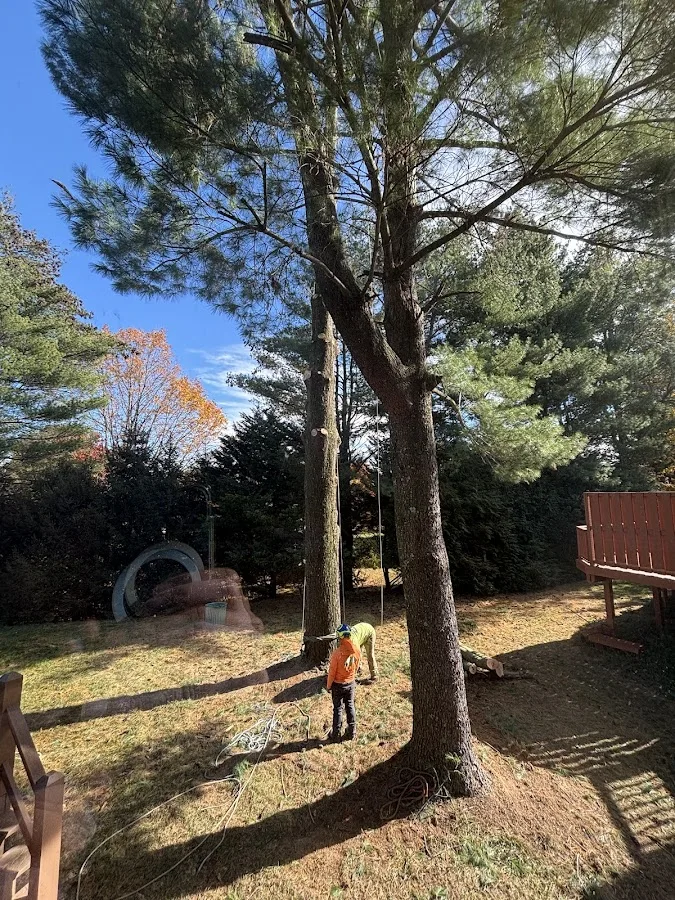
A replacement tree is a better fit when its purpose and mature needs suit the place where it will grow. Before choosing a species or buying a young tree, decide what you want it to do, assess the planting location, and consider how much room and care the tree will need over time. Those decisions can prevent a healthy young tree from becoming an awkward fit beside a house, path, or other planting.
Set the purpose before choosing a tree
Start by naming the job you want the tree to perform. Shade, screening, seasonal interest, and a focal point are different goals, and they may point toward different locations and forms. For example, shade over a sitting area depends on where the tree can eventually cast shade, while screening depends on the sightline you want to soften and the space available for branches. A focal point may call for a visible position, but that position still needs to work with the surrounding landscape.
Look at the conditions in the proposed spot before settling on a particular tree. Notice how much direct sun reaches it, whether water tends to collect or the ground dries quickly, and what is already growing nearby. Existing trees, shrubs, paths, patios, and garden beds all shape the available space. The goal is not to force a preferred tree into a particular spot; it is to find a tree whose needs and eventual form fit the conditions there.
It can also help to separate the desired result from the old tree’s identity. A replacement does not have to be the same kind of tree if another choice better suits the site and the purpose. Keeping the goal in view makes that trade-off easier to evaluate.
Choose for the space the tree will occupy when mature
A young tree can look small enough for almost any open patch, but its mature height and spread are the more useful measures. Compare the expected canopy width with the room between buildings, walkways, fences, and neighboring plants. A crown that eventually crowds a path or presses into another planting can create a recurring conflict even if the tree looked well placed on planting day.
Look upward as well as outward. Overhead lines, roof edges, and other fixed features may limit where a tree can grow comfortably. Consider the full shape the tree is expected to develop, not only its trunk location. If a site is narrow or bordered by structures, a tree with a smaller mature form may be a more sensible match than a larger choice intended to provide quick shade.
These are planning questions, not reasons to guess at a tree’s eventual dimensions. Use reliable information for the tree under consideration and compare it with the actual space. If the available room cannot accommodate the mature form, changing the location or choosing a different tree is usually more practical than expecting repeated trimming to solve a poor fit.
Plan for the site and early establishment
Light, soil, and water conditions help determine whether a tree can settle into a location. A spot that stays soggy after rain is different from one that dries rapidly, and neither condition suits every tree. Consider how the site behaves through ordinary weather, along with nearby paving or landscape features that may affect the soil and available moisture. The aim is to match the tree’s needs to the site rather than assume that a planting hole alone will change the whole growing environment.
Planting day is the beginning of establishment, not the end of the project. Plan for correct planting depth and ongoing watering while the tree gets established. The right depth depends on the tree’s root structure and planting guidance; setting it too deep can put the trunk base below the intended soil level. A care plan should also account for the site’s conditions, because watering needs are not identical in every location or for every tree.
Before buying, consider whether you can provide the attention the young tree will need after installation. If watering will be difficult because the site is remote or access is limited, that practical constraint belongs in the decision. Matching the tree to both the location and a realistic care routine gives the plan a better chance of working as intended.
Turn the decision into a clear planting request
A short site brief helps turn a general wish for a replacement into a defined project. Write down the goal, the intended location, nearby constraints, and the kind of mature size that could fit. Include what should remain undisturbed, such as a walkway, garden bed, or open view. This gives anyone discussing the planting a clearer picture of the result you want without assuming that one tree choice is already settled.
For a hypothetical example, imagine replacing a tree near a patio because the household wants shade but also needs to keep a walkway open. A useful brief would identify the patio as the shade goal, mark the walkway and available planting area, and state that the mature canopy must fit without blocking the route. The example does not prescribe a species; it shows how a practical goal and a physical constraint can guide the selection together.
Pikesville Tree Service’s website lists tree planting and planting-and-replacement services. Homeowners considering that type of project can view the Pikesville Tree Service details. The key decision remains the fit between the intended result, the specific planting location, and the tree’s mature needs. Settling those points first makes a replacement plan clearer and gives the eventual planting a purpose beyond simply filling an empty space.


