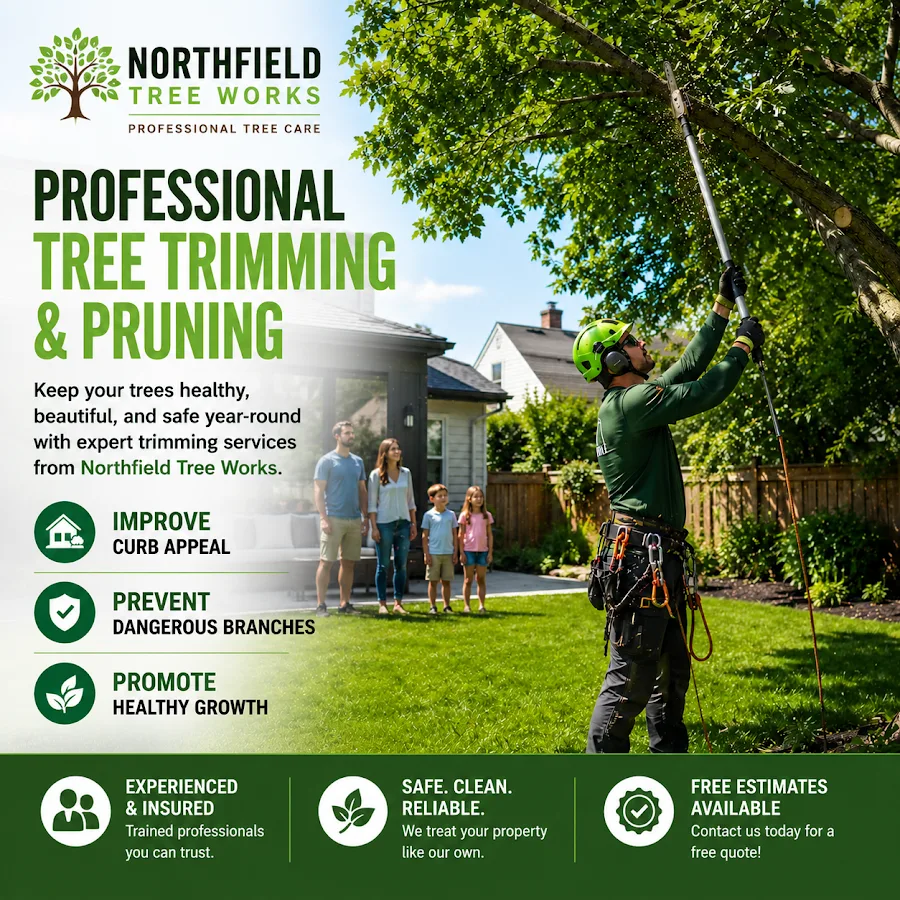
Tree trimming quotes can sound straightforward—until you compare two proposals that both say “tree trimming,” but one includes haul-off and the other leaves you with a yard full of brush. For homeowners near 273 Nottingham Terrace, Buffalo, NY 14216, a better approach is to treat the first call as scope definition. Northfield Tree Works lists Tree Trimming as a core service, and the fastest way to avoid under-scoped work is to ask for quote line items that map to what will actually be cut, staged, and removed.
Start with the “done” image: what should your property look like after trimming?
Before you approve anything, picture the yard when the crew leaves. If the goal is only aesthetic shaping, debris expectations may differ from a more involved prune that removes larger limbs. Clarify whether the proposal includes brush pickup, hauling, and a final cleanup pass. If stump-related work is not needed, say so—then confirm in writing that no stump grinding or stump removal is bundled “just in case.” The point is simple: your quote should be matchable to a specific end condition.
Match the trimming scope to measurable factors (tree height and quantity)
Even in a Buffalo yard, trimming workload changes dramatically with tree height and how many trees are involved. YardCareDirectory’s listing for Northfield Tree Works routes users through a typical intake that asks for the number of trees and height range (for example, under 15 ft, 15–30 ft, or 30–60+ ft). Use that same thinking when you talk to the provider: share approximate height, trunk condition, and whether the trimming is corrective (for clearance) or primarily cosmetic.
If the arborist will need to access the canopy from multiple directions, mention that too. Two properties with the same tree height can require different equipment and different labor if one has safer clearance and the other has obstacles like fences, rooflines, or overhead utility proximity.
Bring photos and a short reason for the call
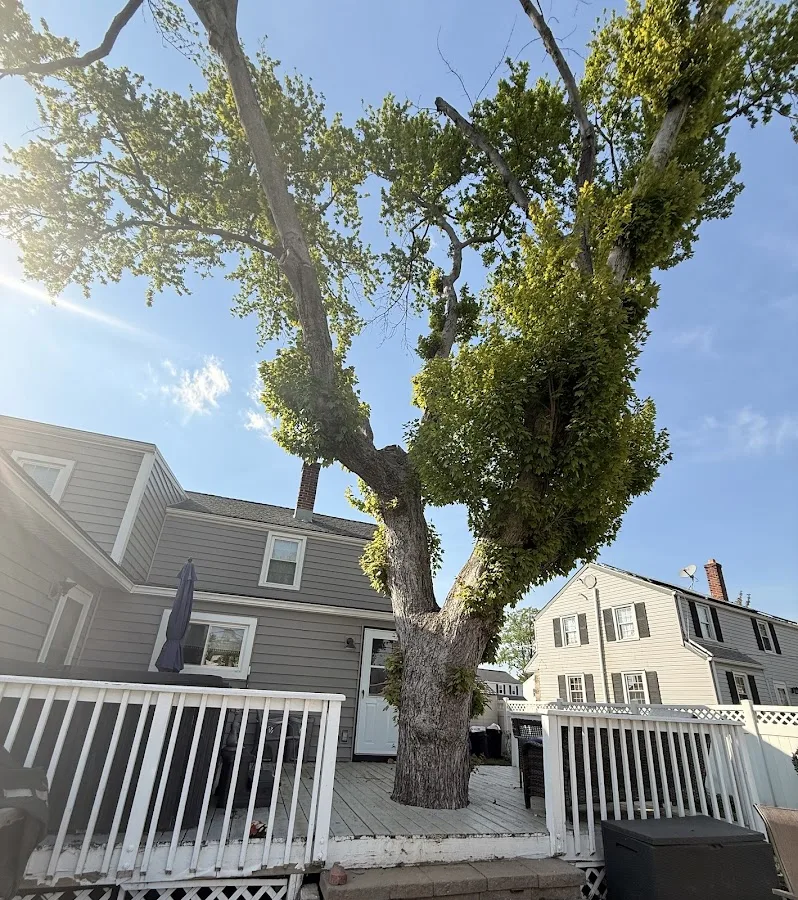
When you schedule a quote, don’t rely only on a description like “the tree looks overgrown.” Instead, send or show photos from the driveway and from ground level. Add one sentence explaining the purpose: low branches over a walkway, branches rubbing a roof, or clearance concerns. This helps ensure the trimming plan reflects the real issue—not just the shape of the canopy you can see in one photo.
Use access and safety constraints to prevent quote surprises
Access is where “tree trimming” often becomes a moving target. Ask how the crew will stage equipment and where cut limbs will be placed for removal. If the driveway is narrow or you have gates, tell them in advance. If there are nearby structures, confirm whether the plan includes controlled limb handling (for example, lowering larger sections) versus simple drop-and-chop methods.
Also verify basic contact details so the quote process doesn’t stall. Northfield Tree Works is publicly associated with +1 716-621-3111. When you reach out, ask whether they can confirm the visit requirements for your specific trimming job and whether they expect to review photos first.
Clarify cleanup, haul-off, and any optional add-ons
A “trim” can still leave a lot behind. Ask how cleanup will be handled: will they remove all brush, bag it, and haul it away, or will you need to manage portions yourself? If you expect the yard to be left “broom clean,” say that explicitly. If the trimming is part of a larger maintenance plan, separate items in the proposal—for example, pruning now versus any later hazard assessment.
Finally, request a written scope that you can compare to a second quote. Ideally, the proposal should reference what will be trimmed (and why), tree count/height assumptions, debris removal expectations, and any exclusions (such as stump work or storm-damaged emergency cleanup). With that structure, you’re not just choosing the cheapest price—you’re choosing the proposal that actually matches your yard.
If you want a smooth decision, keep your call focused on measurable scope (height and quantity), clear purpose (what problem the trimming should solve), and explicit end-state cleanup. That’s the best way to turn a generic “tree trimming” quote into work that looks right when it’s done.