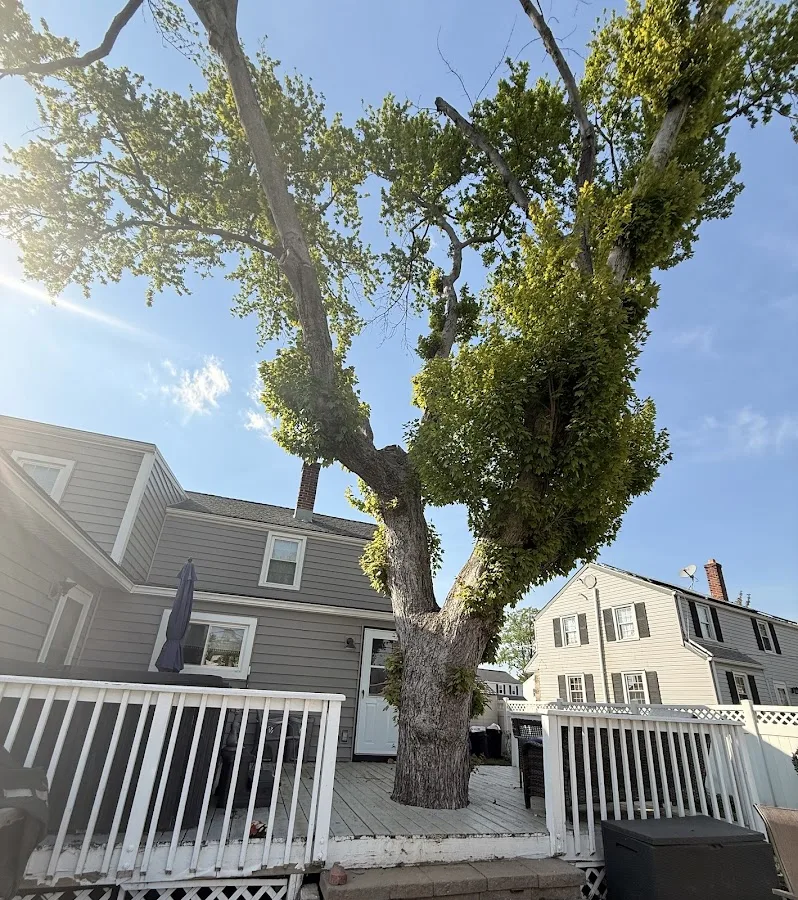
After a storm, it’s rarely enough to call a tree service and ask only for “tree removal.” If you’re in Buffalo and a limb is down across a driveway, or a tree is leaning toward a fence or structure, the quote you receive should line up with the actual cleanup scope on your property—staging, debris handling, and whether stump work is included.
AAA Dennis' Trees is listed at 145 Kinsey Ave, Buffalo, NY 14217, and the business contact info on its site includes (716) 444-0898 plus the official website http://aaadennistrees.com/. For homeowners who want to compare bids fairly, the most important step is to translate the situation you see into line items that a crew can complete to a clear “done” point.
Start with the “done” point: what should the property look like after cleanup?
Before comparing prices, describe the yard outcome you want. A storm cleanup scope might require removing the damaged tree section, clearing branches from above ground contact points, and restoring safe access. Ask the estimator to explain what will be removed and what will remain, then confirm the finish standard (for example, cleared drive/footpath, and debris no longer scattered around landscaping edges).
Then ask a simple matching question: “When you leave, what exact areas will be free of debris?” This prevents a common under-scoped estimate where the tree is cut but the cleanup footprint is left vague.
Confirm whether stump grinding (and stump handling) is included
Many emergency scenarios end with cutting and haul-off, but stump work can be a separate part of the job. If you’re expecting stump grinding after removal, don’t assume it’s included—confirm it directly. You can make this easier by telling the estimator whether you need the stump ground down for replanting, mowing clearance, or long-term safety.
If stump grinding is not in the quote, ask what portion is excluded and whether it can be added as a line item. This is often where two “tree removal” bids can diverge the most.
Use access and safety facts to prevent hidden scope changes
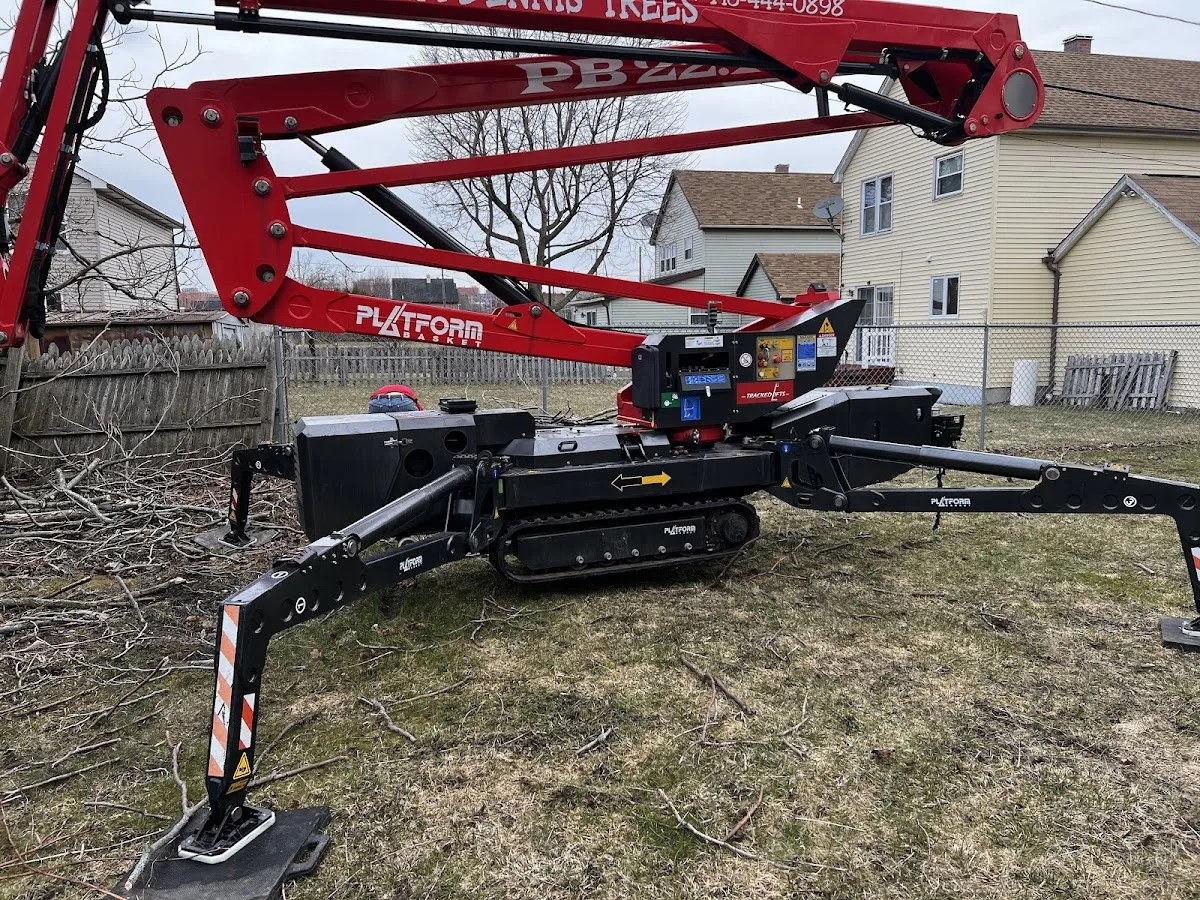
Even when the problem looks the same from the street, access can change the workload. Note constraints that affect setup: narrow driveways, gates, nearby fences, overhead lines, or landscaping that must be protected during staging and cutting. Ask whether the crew needs a particular workflow to safely reach the trunk and remove sections without damaging nearby property.
When you provide those real-world constraints up front, the quote is more likely to be “matchable.” When you don’t, you may be surprised by added charges for extra crew time or changes in how the job is staged.
Match the quote to debris cleanup and haul-off expectations
Emergency tree work isn’t finished when the tree is gone; it’s finished when debris is handled. Make sure the estimate clarifies what “cleanup” means. For example, will removed material be hauled away, or is any portion left on-site? Will the work include clearing smaller branches and broken wood from lawns and borders?
If the estimator answers with general language, ask for specifics. You want a clear statement of what is included in cleanup so that you can compare bids without guessing.
Line-item compare: what to ask for in the estimate
When you’re ready to compare AAA Dennis' Trees or any other tree service, ask for a scope breakdown you can verify. In a storm-damage scenario, these questions help lock the estimate to measurable work:
- What exactly will be removed? (tree section, limbs, or full removal)
- Is stump work included? If yes, confirm whether stump grinding is part of the scope.
- How will access be handled? Any staging or safety steps that change the workload.
- What does cleanup include? Haul-off and debris removal expectations.
- What is excluded? If you don’t ask, exclusions can become your responsibility after the crew leaves.
If you want a simple way to start, use the business contact details on AAA Dennis' Trees’ site—(716) 444-0898—and ask the estimator to map the quote to the same “done” footprint you expect at the end of the job.
Note: This article focuses on quote-to-scope matching. For safety-critical hazards (like trees near structures or lines), confirm the crew’s assessment approach during the inspection and keep your own expectations tied to clearly stated line items.