A leafless branch is not automatically dead. The clearest first clue is whether it fits the tree’s normal seasonal pattern: compare it with similar branches on the same tree, then look closely at buds and smaller twigs. When those signs are inconclusive, a light scratch on a small twig can show whether living tissue remains at that exact spot.
Use the season and the tree as your baseline
Deciduous trees routinely lose their leaves during dormancy. In that period, a bare crown may be entirely normal, so the sight of one leafless branch is a weak diagnosis by itself. Instead, consider what the tree normally does at that time of year. A branch that has not leafed out while comparable branches on the same tree are advancing deserves closer attention; a whole tree that is still within its usual dormant period calls for patience rather than a conclusion based on appearance alone.
Make the comparison within the same tree whenever possible. A nearby tree may be a different species, cultivar, age, or growing in different conditions, and therefore may leaf out on a different schedule. Within one crown, compare branches of similar size and position. Note whether buds are swelling or opening and whether the difference is limited to a single tip or extends across the branch. A single late twig can lag behind the rest; a broader pattern of stalled development is more meaningful.
Read buds and smaller twigs for local clues
Buds offer a closer view than the canopy as a whole. On a living branch, buds are generally attached and firm; as growth resumes, they may swell and begin to open. Shriveled buds, missing buds, or a run of twigs with no developing buds can point toward dieback, especially when comparable branches elsewhere on the tree are progressing. These are clues to combine, not a calendar-independent test: dormant branches may not show active growth yet.
Look at how the signs are distributed. A few brittle-looking, bare twigs at the end of a branch suggest that the outer portion may have died back. If the lower section has attached buds or later shows new growth, the entire branch is not necessarily dead. Conversely, when several small twigs along the same limb look dry and lifeless while similar parts of the tree are active, the concern extends beyond one delayed tip. This distinction matters because a dead twig and a dead major limb are different problems in scale and consequence.
Use a small scratch test only when you still need evidence
If the season and buds leave the answer uncertain, gently scrape a very small patch of outer bark on a small twig with a clean fingernail or blade. Green, moist tissue just beneath the bark indicates living tissue at that point; brown, dry tissue suggests that the tested spot is dead. Keep the mark tiny. The test checks only the place you scratch, so a dry branch tip does not establish that the whole limb has died.
Check more than one small twig along the branch rather than moving straight to a large limb. For example, if the terminal twig is dry but a lower twig has green tissue and viable buds, there is living growth farther back. If multiple small twigs are dry and the branch has no viable buds as the rest of the tree leafs out, dieback becomes more likely. Read the test alongside the seasonal comparison: one result from one point should not override the wider pattern.
Let size and position determine what to do next
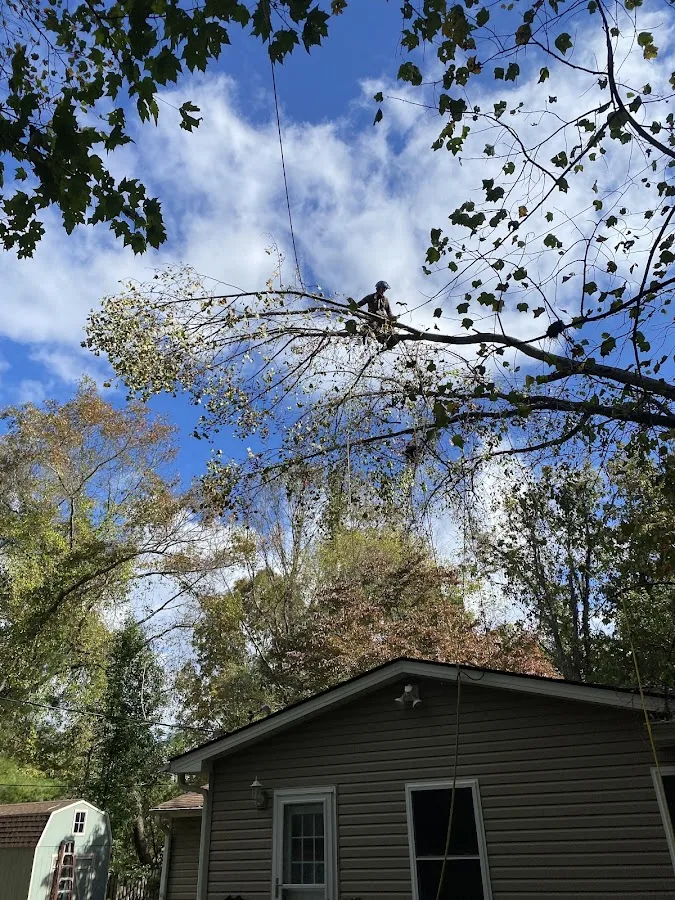
Once you suspect dead wood, consider where it is and what lies below it. A dead outer twig well away from people and structures presents a different exposure than a large limb above a roof, driveway, walkway, or gathering area. A visible crack, a hanging limb, or dead wood over a frequently used space makes the location a practical safety concern even while the exact cause is unknown.
Do not climb a tree or use a ladder and saw to investigate a large overhead limb. Assessing and removing large branches involves hazards beyond whether the wood is alive, including branch movement and falling material. Keep people clear of the area beneath a suspect hanging limb and arrange a qualified professional assessment rather than trying to confirm the diagnosis from above. For readers comparing local providers, Bartlett Tree Experts is one local tree-service page to consider.
The most useful conclusion is often specific rather than absolute: the tree is still in its normal dormant period, the branch is lagging behind active peers, or several tested small twigs show dry tissue. Use the first case as a reason to wait for the tree’s normal growth window; use the latter signs to decide whether the affected wood’s size and position warrant a closer assessment.