When you’re comparing tree-service quotes in Rochester, the biggest risk isn’t price—it’s scope. If one company prices “tree work” as a broad category while another breaks it into removal, pruning, stump-related items, and cleanup, you can end up paying for confusion instead of a clearly completed job. This guide shows how to line up your questions and documentation around Birchcrest Tree & Landscape (150 Lee Rd, Rochester, NY 14606, phone +1 585-288-3572) so the estimate you receive maps to the finish you want.
Start with the finish picture on your Rochester property
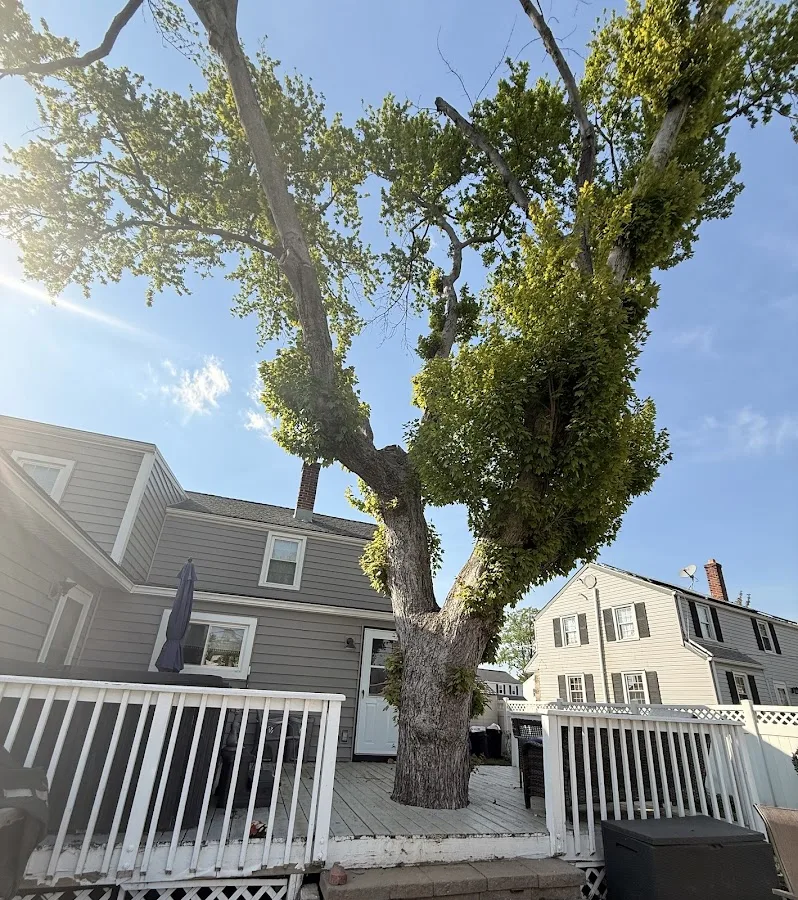
Before calling or texting for an estimate, define what “done” looks like on your specific site: the tree shape after pruning, the cleared hazard area after removal, and what debris footprint you’re willing to accept. For Birchcrest Tree & Landscape, the official site highlights multiple service categories—residential/commercial tree service, structural pruning, emergency tree service, stump grinding, cabling & bracing, and plant health care—so your first goal is to prevent your job from getting bucketed into the wrong category.
Ask yourself: Are you removing a hazardous section, pruning for structure, or addressing a stump/grinding need later? If the scope is mixed, request line items that separate each component. That way, your comparison stays fair even if crews approach the job differently.
Match Birchcrest’s service categories to the line items in your estimate
Birchcrest Tree & Landscape’s website describes emergency tree service and general residential/commercial tree work, along with specialized options like cabling & bracing and stump grinding. Use those same labels (or equivalents) when reviewing the proposal your estimator writes. If the estimate only uses vague terms like “tree service” or “trim,” push for measurable tasks.
Removal vs. pruning vs. bracing: don’t let the estimator combine them
If your tree is leaning, splitting, or posing a risk near structures, bracing and cabling may come up in the conversation. If your goal is aesthetics or growth control, pruning is the more relevant category. Clarify which approach is included in the price and which approach is optional.
Stump grinding should be treated as its own decision
In many backyards, the stump becomes the real “after” problem—hard to mow around, visually prominent, and sometimes a tripping hazard. Ask whether stump grinding is included, scheduled as part of the same visit, or handled separately. If the company recommends grinding “later,” request the conditions that would trigger the additional work and how pricing will be handled.
Confirm access, safety constraints, and cleanup expectations
Even an accurate estimate can fail if the crew can’t reach the work area safely or if debris handling is undefined. Make access constraints part of your pre-quote briefing. Mention gates, fences, overhead lines, narrow passages, and any surfaces that must be protected (driveways, landscaping beds, or walkways).
Then demand a cleanup description that you can evaluate afterward. On Birchcrest’s site, customer stories emphasize careful outcomes such as contact crews to remove hazards involving power lines and maintaining surrounding landscaping and debris cleanup. You don’t need those specifics in your own estimate, but you should require the same clarity: what gets removed from the site, what gets chipped/handled on your property, and what’s hauled away.
Use contact-ready details and cross-check the official info
When you’re ready to start, keep your communication grounded in the same identifiers. For Birchcrest Tree & Landscape, use the phone number +1 585-288-3572 and the official website https://birchcrestlandscape.com/ as your reference point while you ask the estimator to confirm the exact scope for your yard. If the estimator can’t point to which category your job falls under (pruning, emergency removal, stump grinding, cabling/bracing, or plant health care), treat that as a warning sign.
Also ask for a written scope that reflects your finish picture and includes line items for removal/pruning, any stump-related work, and cleanup. The goal is to make your estimate comparable to any other quote you might request—so you’re not paying for “maybe.”
What to verify before you approve the job
Before you sign, verify three things: (1) the tasks in the proposal match your tree condition and your intended finish picture, (2) the estimate separates removal/pruning from stump grinding and any bracing/cabling elements, and (3) cleanup and debris handling are described in a way you can confirm after work is complete. If any of these points are missing or unclear, ask for revisions to the written scope before scheduling.
Tree work is easier to manage when the quote is specific. Use Birchcrest Tree & Landscape’s public service categories as a benchmark, then insist on line-item clarity so your Rochester project ends with a completed, checkable outcome—not an argument about what was supposed to be included.