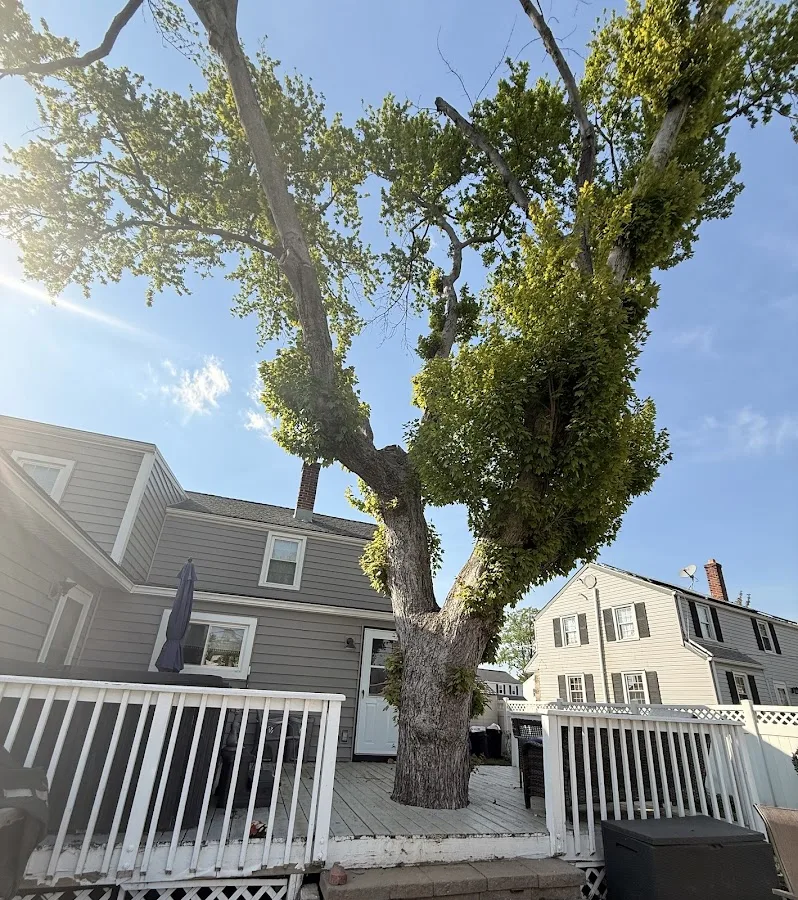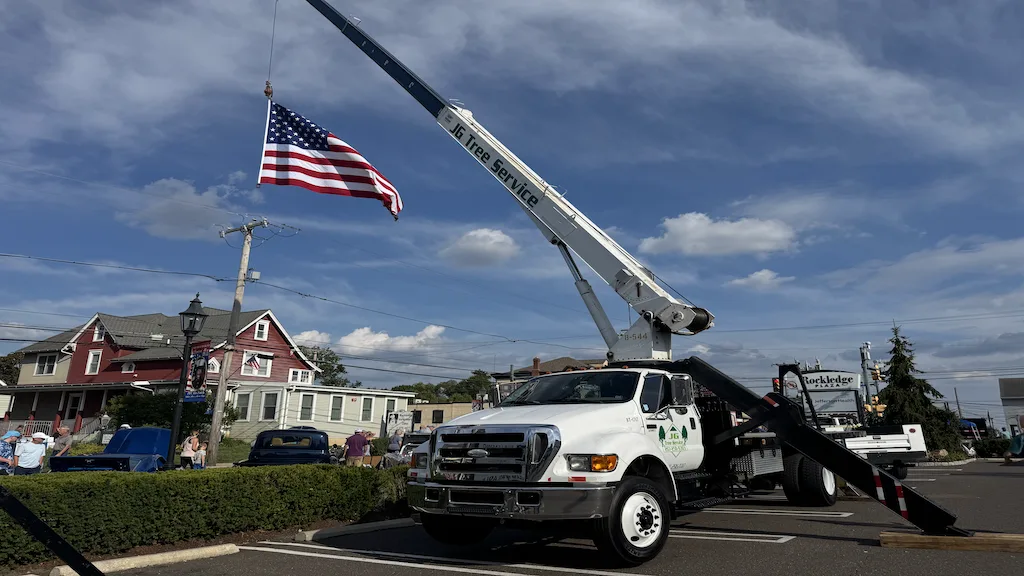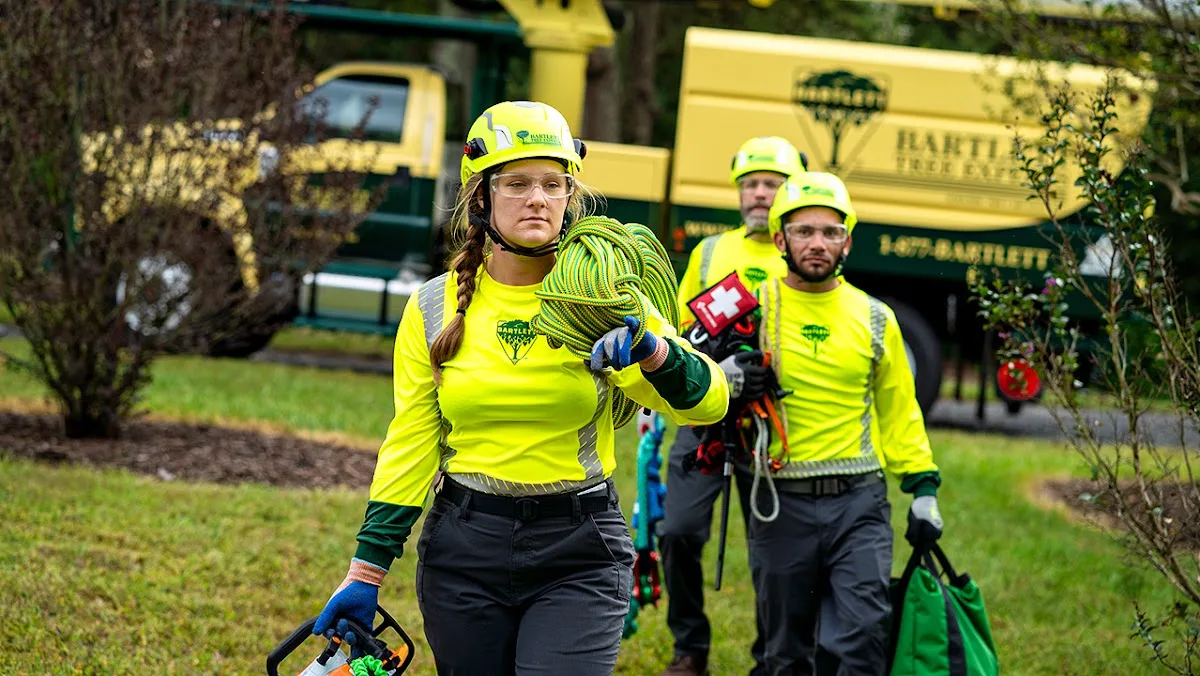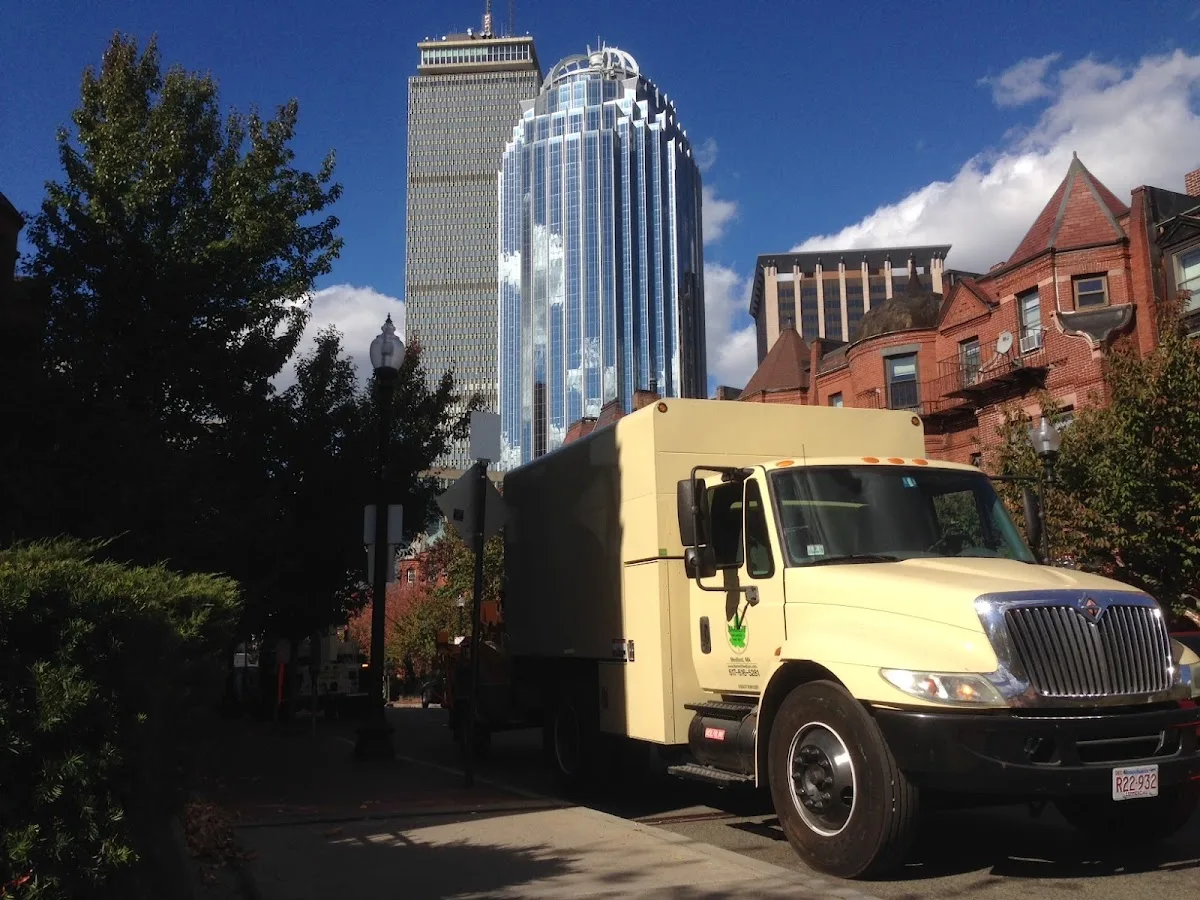
When a tree falls or limbs hang over a driveway after a storm, the “fastest” tree company is not always the best choice. In those first stressful hours, you need a contractor who can move from make-safe work to a clear finished condition—meaning you can see what was removed, how debris was handled, and what (if anything) was left behind.
This guide focuses on Barrett Tree Service East, a Greater Boston tree-care company with public signals like certified arborist support, emergency tree removal services, and stump removal/grinding on its site. Use the questions below to verify fit for your specific Medford/Cambridge-area situation before you approve an estimate.
Start with verifiable basics: address, phone, and official site
Before you compare pricing, confirm you’re contacting the right organization. Barrett Tree Service East lists a phone number of +1 617-344-9964, and an official website at https://www.barretttreeeast.com/. The listing associated with this profile also references 340 Middlesex Ave, Medford, MA 02155. If the person quoting you can’t confirm the same details, pause and ask for clarification.
Define “emergency” as make-safe to finished cleanup
Many estimates sound similar because they mention “tree removal” or “storm cleanup” without explaining the end state. Ask Barrett Tree Service East to describe the emergency process as a sequence you can check: make-safe work (stabilize/remove hazards), removal of the identified material, and cleanup through a finished condition on your property.
On the company’s site, emergency tree removal is explicitly mentioned. Treat that as a signal—but still require a written, hazard-to-finish scope for your driveway, yard, or walkway. A contractor should be able to point to what will be removed versus what will be left in place during the job.
Get the access and staging plan in writing (especially after storms)
Storm damage often changes access: trees may block gates, limbs can trap debris, and soft ground can affect equipment placement. Confirm how the crew will stage equipment near your home and how they’ll manage fall zones. If you can’t get a clear explanation, that’s a warning sign that the estimate may be based on assumptions rather than your actual constraints.
Lock in the stump and debris plan: removal vs. grinding
After emergency work, the remaining stump is usually what determines how “finished” your property feels later. Barrett Tree Service East’s public services include stump removal and stump grinding, so your job is to specify what you want for your lot.
Ask these two questions:
- Which stump outcome is included in the estimate? Removal (stump taken out) or grinding (stump reduced), and at what depth or finish expectation.
- What happens to debris? Confirm how brush/wood is handled—whether it’s hauled away, how it’s separated, and what you should expect on pickup day.
The goal isn’t to micromanage; it’s to ensure you and the contractor agree on what “done” means.
Verify permitting and local coordination when applicable
Tree work can trigger local requirements depending on species, location, and proximity to protected areas. Barrett Tree Service East indicates help navigating tree permits on its site. If your situation is likely to require approval (for example, work near public rights-of-way or regulated tree areas), ask for the permitting approach before the crew arrives.
If the contractor can’t explain what paperwork they help with—or what they do not handle—ask what you should prepare as the property owner.
Use a “scope clarity” test before you say yes
Even if the company is a good match, you still want the estimate to be clear enough to compare. A strong scope usually answers: what’s being removed, where equipment will go, how debris will be managed, and what the cleanup and stump plan include. If you can’t find those answers, request revisions.
If you’re contacting Barrett Tree Service East for storm damage or emergency tree removal in the Greater Boston area, you can start by calling +1 617-344-9964 and asking them to describe the job from make-safe through finished cleanup. With that end-state clarity, you’ll be able to choose a contractor that fits your property constraints—not just your urgency.