When an “emergency tree” shows up on your property, the first quote you receive can feel overwhelming. That’s especially true on Long Island, where driveway access, nearby structures, and storm debris can change what a crew can safely do in the first visit. For Timber Wood Tree Service, the most useful way to evaluate a proposal is to tie each line item to the hazard you’re dealing with and the real cleanup footprint on your property.
Start with the hazard, not the species
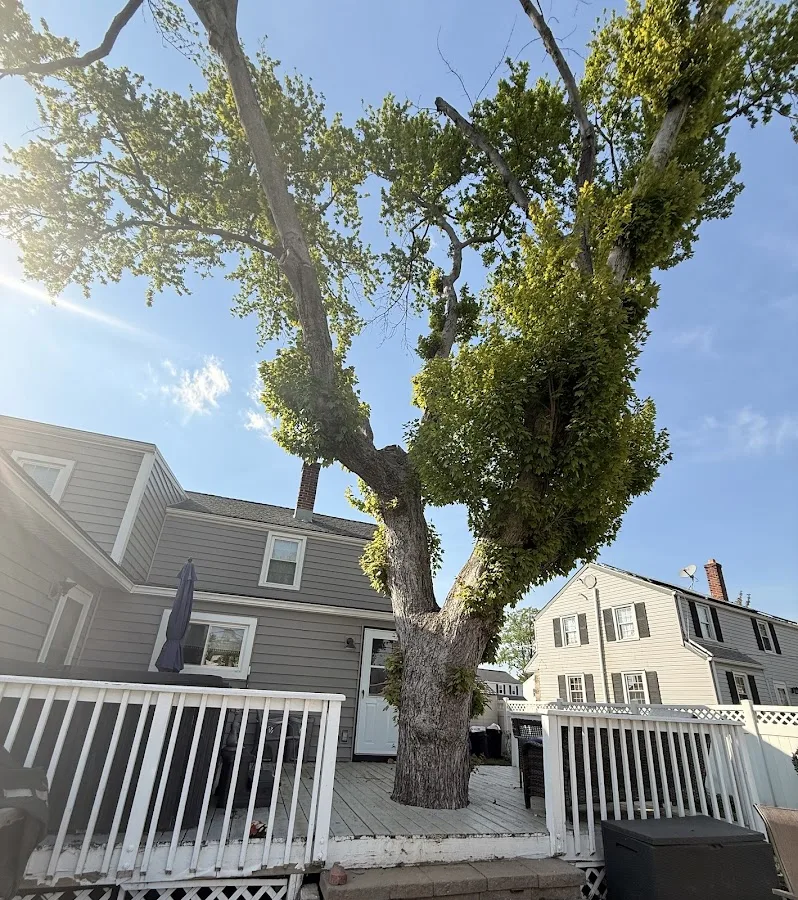
An emergency removal is defined by risk, not by whether the tree is oak, pine, or something else. Before you approve anything, ask the estimator to describe the specific hazard conditions they’re planning to address (leaning trunk, hanging limbs, exposed rot, or a blockage near a fence, driveway, or walkway). If the quote doesn’t reflect the hazard you’re seeing, it’s a red flag that the job may be scoped as “tree removal” instead of “hazard removal with a controlled cleanup area.”
Match “done” to the cleanup footprint
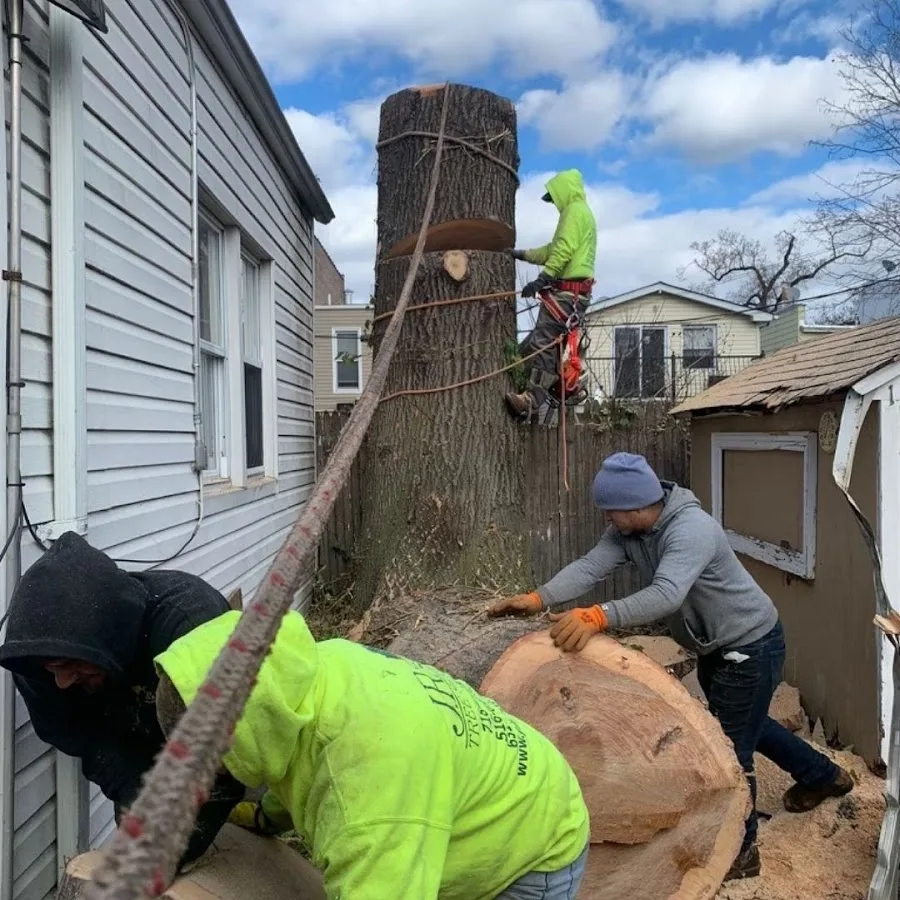
Many emergency jobs look similar from a distance, but the cleanup footprint can be wildly different. In your proposal review, look for language that makes the after-plan concrete: removal of the tree/limbs, debris handling, and whether the work includes hauling brush/wood away or leaving material for later. The contact page for Timber Wood Tree Service positions the business as a local Long Island tree service and routes customers through a quote request process, so the most important step for you is ensuring what you submit leads to a written scope that matches what will actually be cleared on-site.
Why photos and short details matter
Timber Wood Tree Service’s online quote request guidance asks customers to upload photos and videos to help provide an accurate price estimate (and to provide contact and requested service details). If you want your quote to reflect the true scope, include clear pictures from the driveway or sidewalk showing where the tree is blocking access, plus close-ups of any visible damage, cracks, or where limbs are contacting structures.
Verify access constraints before the crew shows up
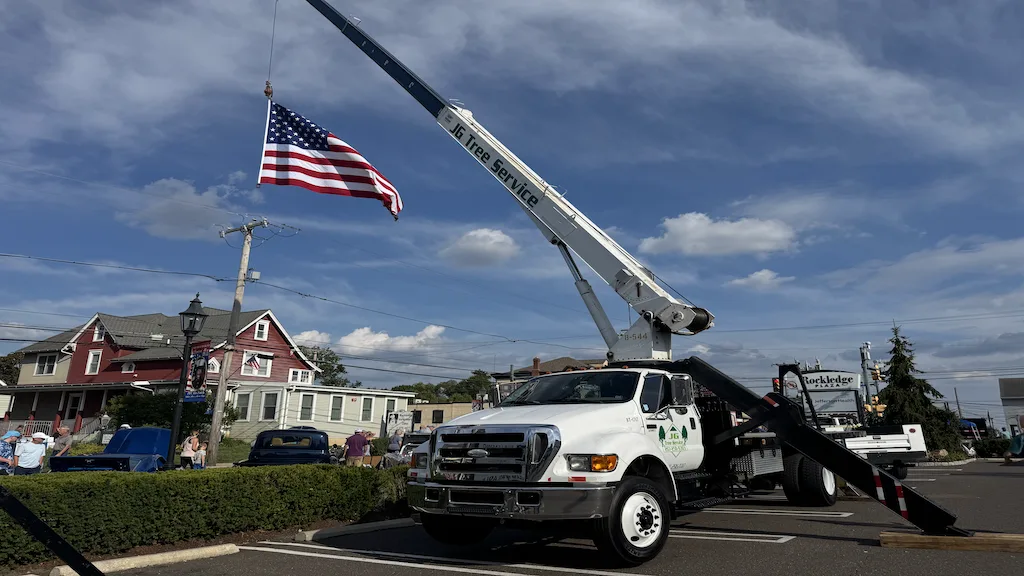
Emergency removals often happen fast, but the crew still has to plan for how equipment will reach the work area. In your review, look for confirmation that the proposed approach fits your layout: where trucks and chippers can stage, whether overhead lines or nearby roofs affect reach and rigging decisions, and whether gates or narrow drives limit movement. Even if Timber Wood Tree Service operates across multiple counties in the region, your property’s access conditions are what should drive the scope and any equipment requirements on your specific job.
Check the “extras” that can change the price
Prices shift when the job turns out to require different risk controls—such as more time to secure the area, additional crew members, or expanded cleanup. Ask the estimator to explain what could change after arrival, and what’s already included. This is the best way to avoid surprises while still allowing the team to reassess the hazard once they can safely get eyes on the full site.
Use contact details to confirm you’re talking to the right provider
Before scheduling, confirm the provider identity and reference details. Timber Wood Tree Service is listed with the address 5649 Merrick Rd Apartment C, Massapequa, NY 11758, United States and the phone number +1 516-980-4192, and its contact page is hosted at https://www.timberwoodtreeservice.com/contact-us/. Use those same details when you follow up after the estimate, especially if you’re coordinating access for multiple property stakeholders.
How to decide if the quote is complete
A solid emergency tree removal quote should make the “hazard + cleanup” logic obvious: the hazard conditions you’re seeing, the boundaries of what will be cleared, and the access plan that makes the work feasible and safe. If a proposal is vague about cleanup, debris handling, or how the team will address your site constraints, ask for clarification before you approve the work. Clear scope alignment is the simplest way to get the emergency resolved in the fewest visits—without paying for work that doesn’t match the property reality.
For Massapequa homeowners and Long Island property managers, treat the estimate like a risk plan. When the quote reflects the hazard you have today, you’re more likely to get a job that actually makes the site safe and usable again—not just a partial removal that leaves the next problem waiting.