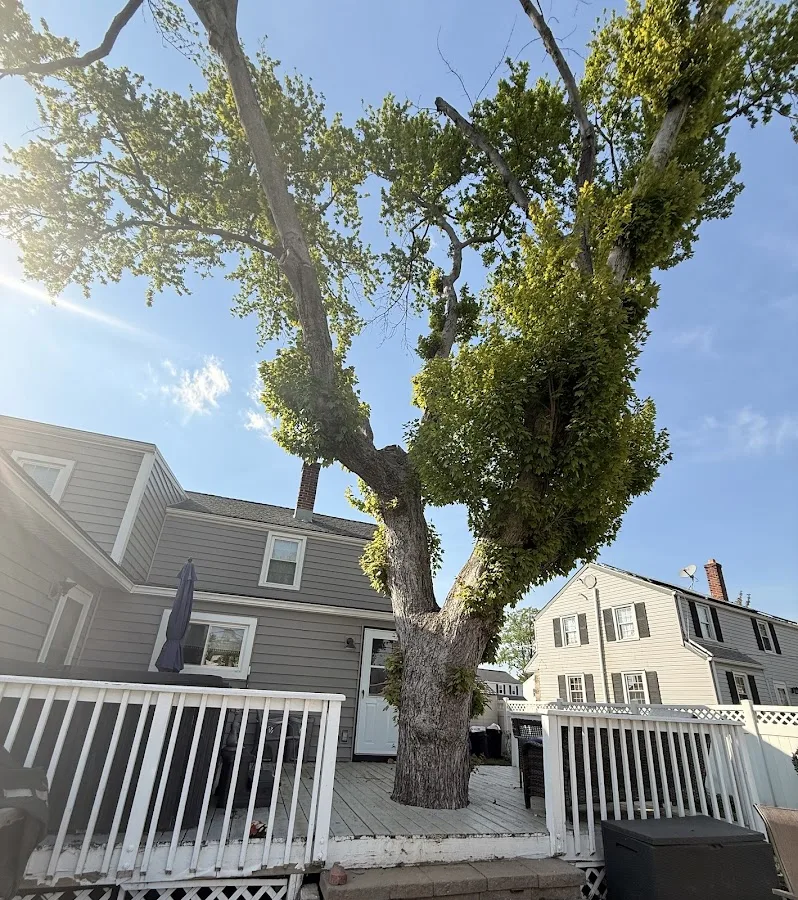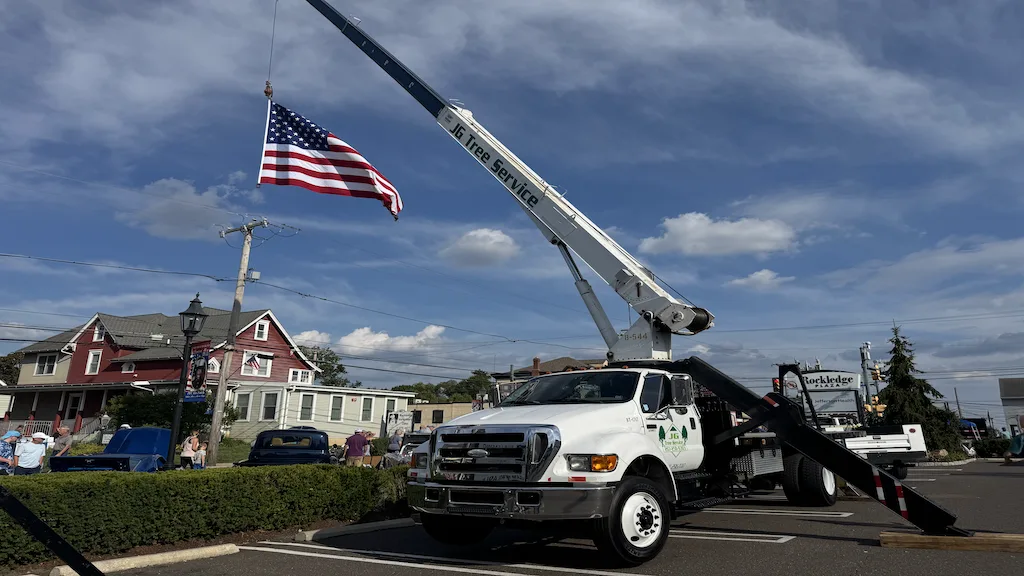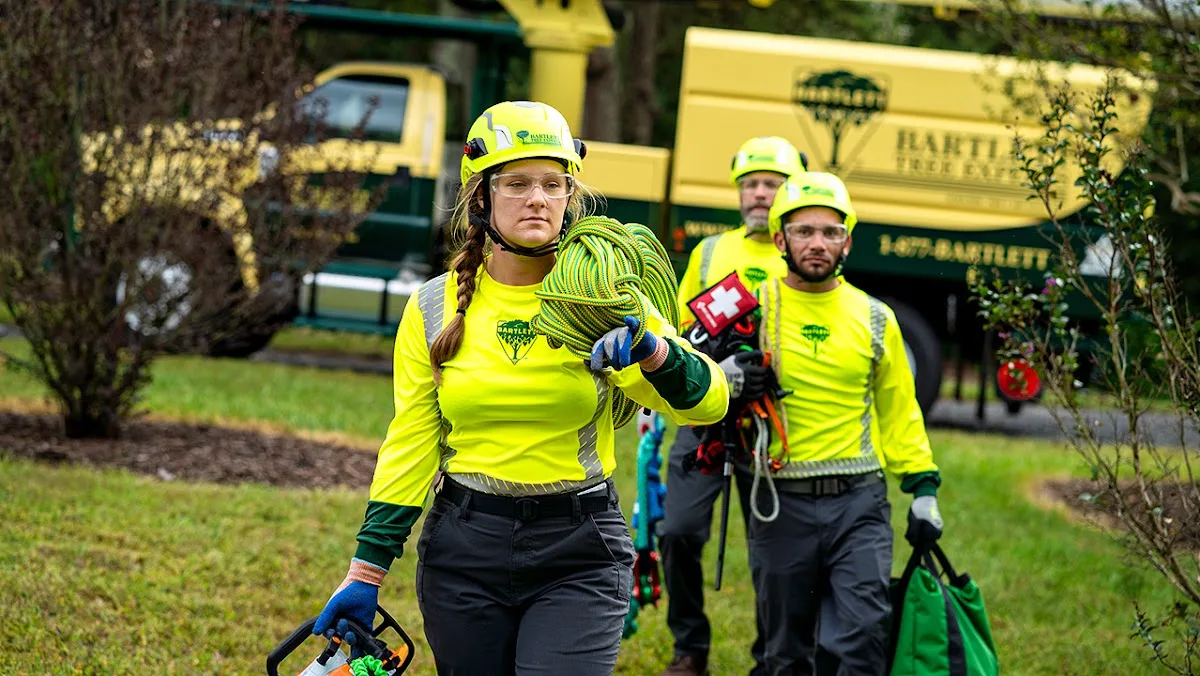
When a tree is down—or a branch is hanging after a storm—the first decision isn’t just who answers the phone. It’s whether the contractor’s plan matches your property’s “hazard-to-finish” reality: access for equipment, the scope of work included, and whether the crew is solving safety only or completing a full cleanup. For homeowners and property managers considering The Davey Tree Expert Company in the Latham/Albany area, the fastest way to avoid a second mess is to ask a few targeted questions before you approve emergency tree removal.
Anchor the call to local contact details and the real location constraints
Start by confirming the job site address and contact info so contact can route the right crew. The Davey listing for this area includes 1 Runway Ave, Latham, NY 12110, and phone +1 518-618-3642. Having those details ready helps you communicate constraints like narrow drives, blocked gates, or debris that must be staged for safe hauling—not just “a tree needs to be removed.”
Clarify the emergency scope: is it “make safe” or full removal + cleanup?
Emergency storm work can mean different endpoints. A contractor may make the area safe (remove the immediate hazard) and still schedule additional steps later, such as stump work, debris hauling, or follow-up pruning. Before anyone starts, confirm what “finish” means in your estimate. If the plan is only to remove the downed portion, you could still be left with brush piles, unresolved stump hazards, or limbing that needs a second visit.
Match the estimate to the finish, not the first tasks
Ask the estimator to list the included tasks in plain language: removal of the fallen section, any required limbing/trimming, stump grinding (if applicable), and how cleanup is handled after the work. If you compare multiple quotes using only the headline price, you may be comparing a partial scope to a full one.
Use access and protection questions to prevent change orders
In dense neighborhoods near Albany, equipment access and site protection often drive the cost and timing. Before approval, ask how the crew will access the area and protect nearby property features—fences, landscaping, driveways, sidewalks, and anything that could be damaged by falling debris or heavy equipment. Even if the tree looks straightforward from the street, the staging plan can be the difference between a smooth job and a delay.
Ask what happens if overhead lines are involved
If the tree or branch is near utility lines, your safety plan changes quickly. Confirm whether the crew coordinates appropriately and what documentation or utility involvement is required. Don’t assume the same workflow applies to every scenario—verify what the team will do on arrival.
Confirm who assesses the tree and what decision they make before cutting
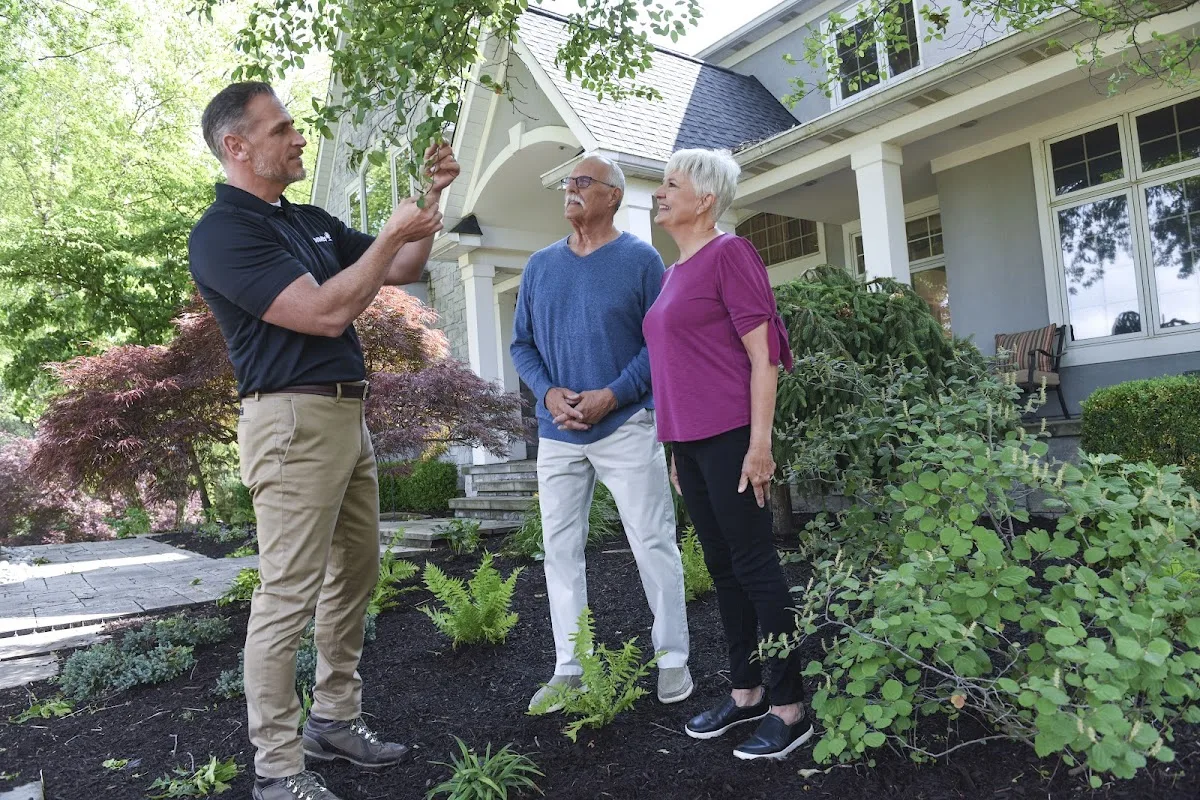
Davey’s contact page highlights that they work with ISA certified arborists who live and work in the community. When you call, you want that arborist assessment applied to your exact hazard conditions: the stability of the trunk, break points in limbs, and how the tree should be managed to reduce unpredictable swings or secondary damage. Ask whether an arborist will evaluate the tree prior to removal or whether the crew proceeds immediately based on first inspection.
Request clarity on inspection outcomes
What you’re looking for is a decision you can verify: which parts will be removed on day one, what must be deferred, and why. If the team expects that trimming or additional work will be needed after the first cut, make sure it is stated clearly in the plan.
End with one last verification: the cleanup finish and debris removal plan
Before work begins, confirm how debris is handled after removal: what gets hauled away versus what remains on site, where piles will be staged, and when cleanup is considered complete. That simple detail is what turns emergency tree removal into a resolved property problem instead of a lingering one.
If you’re comparing contractors, you can use this same framework with any provider: confirm access and protection, ensure the scope is “hazard-to-finish,” clarify whether an arborist assessment will guide the cut plan, and require a cleanup endpoint that matches what you expect on your property.