When a tree comes down during a storm, it’s easy to focus on the first visible problem—yet the estimate that matters is the one that matches your full end result. For Albany-area homeowners considering Stump Wrecker, a better decision starts with a few scoping checks tied to the jobsite reality.
This guide is designed to help you prepare for an effective call and compare what you’re being offered. Use it to keep the conversation grounded in practical details: access, whether the work is truly “make safe” versus complete removal, and how stump grinding and cleanup connect to the finish you expect.
Start the call with the exact work phase you need
Tree work estimates can mix tasks in different ways. Ask the caller to break the job into phases and confirm what is included. For emergency damage, typical phases may include assessing the hazard, removing compromised limbs or trunks, dealing with stump materials, and finishing with debris cleanup. On Stump Wrecker’s public site, the company frames its service around stump grinding and stump removal and notes that it operates with free estimates and service across the Capital Region.
Two practical questions: (1) Is the plan intended to stop hazards now and come back later, or is it a full remove-and-finish job? (2) If the trunk or root system is unstable, does the scope include the engineering/rigging approach needed to remove it safely?
Confirm how access and staging will affect the final price
In neighborhoods around Latham and Albany, narrow drives, fencing, and nearby structures can turn a “simple” removal into a staged project with equipment positioning and protected surfaces. Before comparing prices, ask how they will set up the work zone. You want clarity on where equipment will be placed, where debris will be staged during removal, and what protective measures they’ll use around landscaping, driveways, or nearby walls.
For example, if your tree sits close to a shed or a fence line, confirm whether the crew expects to use a lift, rigging, or another method—and whether that changes what’s included in the estimate.
Get specific about the debris and cleanup finish
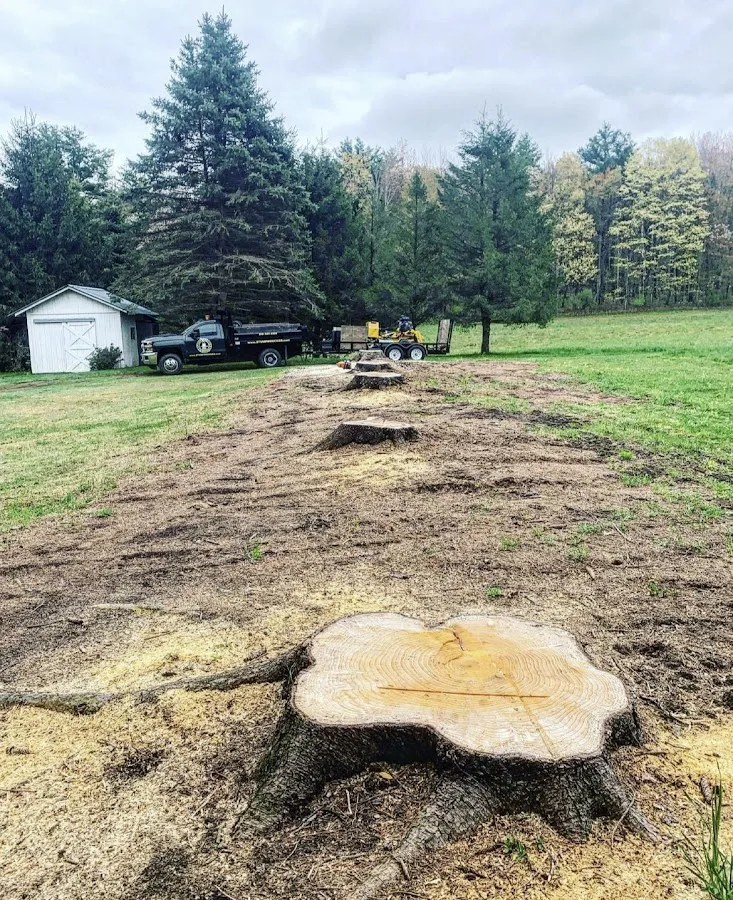
A fallen-tree job is more than removing wood; it’s about restoring your property to a usable state. Ask what the cleanup finish includes: haul-away of logs and branches, broom-sweeping or raking of disturbed areas, and how they handle small debris around the stump site. If stump grinding is part of the plan, ask whether they grind below the visible grade and whether they’ll address remaining root material that could create a new tripping or sprouting issue.
In the words of a decision rule: if two quotes don’t describe the same cleanup end state, the lower number is often not the better deal.
Make sure stump grinding matches your yard goals
Stump grinding can be a step toward a new lawn, planting area, or safer walking path—but the depth, the extent of grinding near adjacent features, and the time needed for final cleanup can vary. Ask how they determine what’s possible around obstacles (sidewalk edges, patios, utility lines, or retaining walls) and whether they can match the stump work to what you plan to do next.
Use Stump Wrecker’s local contact details to anchor the conversation
If you’re ready to compare options, anchor your call to the local points of reference so you’re not relying on memory or assumptions. Stump Wrecker lists its business address as 4 Avis Dr Suite 110, Latham, NY 12110, United States, and the phone number as +1 518-301-4186. Their website is https://stumpwrecker.com/.
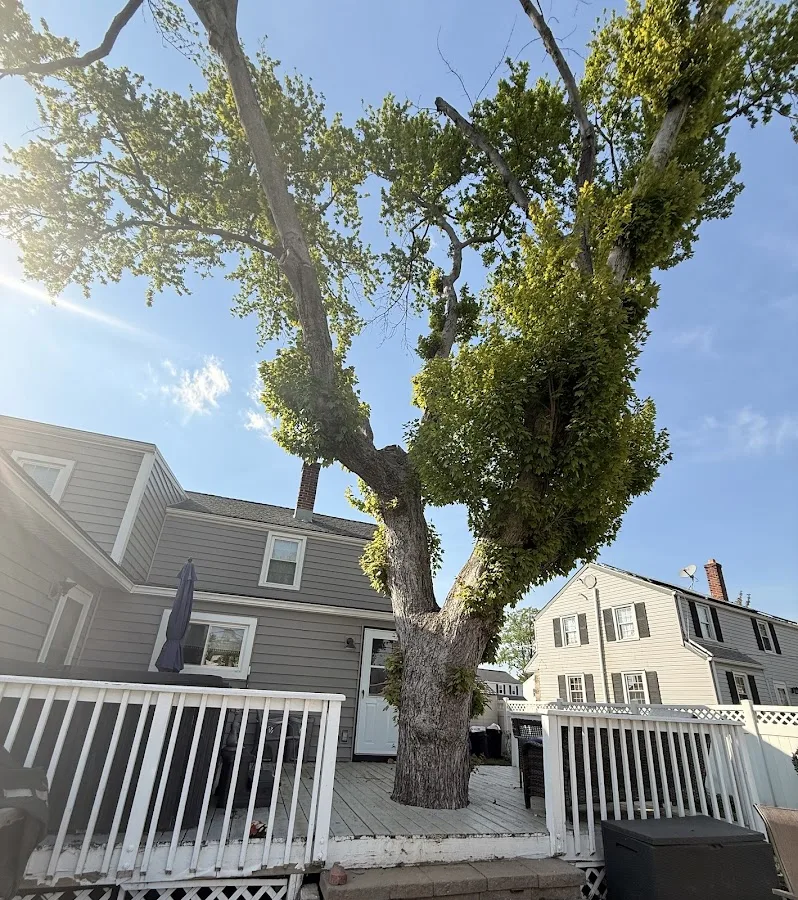
During the call, bring one or two photos and be ready to describe the hazard: leaning tree, cracked trunk, branches resting on power or roof lines, or a stump that’s becoming a long-term nuisance. Then ask for a written scope that ties stump removal and cleanup to the same finish.
What to verify before you approve emergency tree removal
Before you sign off, verify that the estimate answers the same set of questions: Is this full removal or a phased “make safe” approach? What access and staging constraints did they account for on your property? What exactly will happen with debris and final cleanup? And for stump work, how will grinding be matched to the obstacles in your yard?
If you can get those items clearly stated, you’ll be able to compare bids more fairly—and you’ll be far less likely to experience surprise change orders after the crew starts.
For Albany-area storm damage and stump follow-up, that kind of clarity is the fastest way to turn an urgent call into a job plan you can trust.