In a storm or wind event, a tree problem can shift from “needs attention” to “can’t wait” in minutes. For homeowners and property managers on Long Island, the quickest way to avoid a mismatched bill is to choose an emergency tree removal provider whose estimate is specific enough to reflect the hazard you’re dealing with.
Long Island Tree & Landscape Service, Inc. lists its emergency response capabilities and serves Long Island from 18 Park Ave, Blue Point, NY 11715. If you’re comparing providers, treat this as a decision guide for what the estimate should spell out before any crew arrives.
Start with the hazard, not the tree species
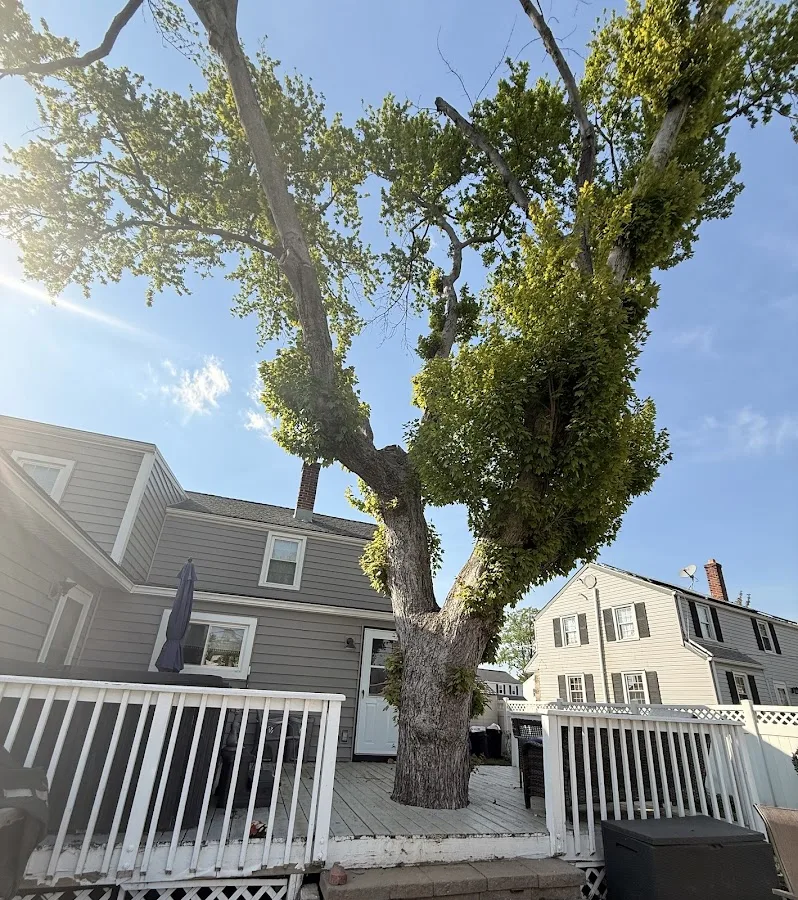
“Emergency removal” should be tied to what makes the situation dangerous: hanging limbs, a trunk leaning into a driveway or fence, cracks in exposed wood, or branches blocking a sidewalk. A clear quote will reference the hazard conditions visible at your property—so you’re not paying for a generic removal scope.
Confirm the cleanup footprint is part of the quoted scope
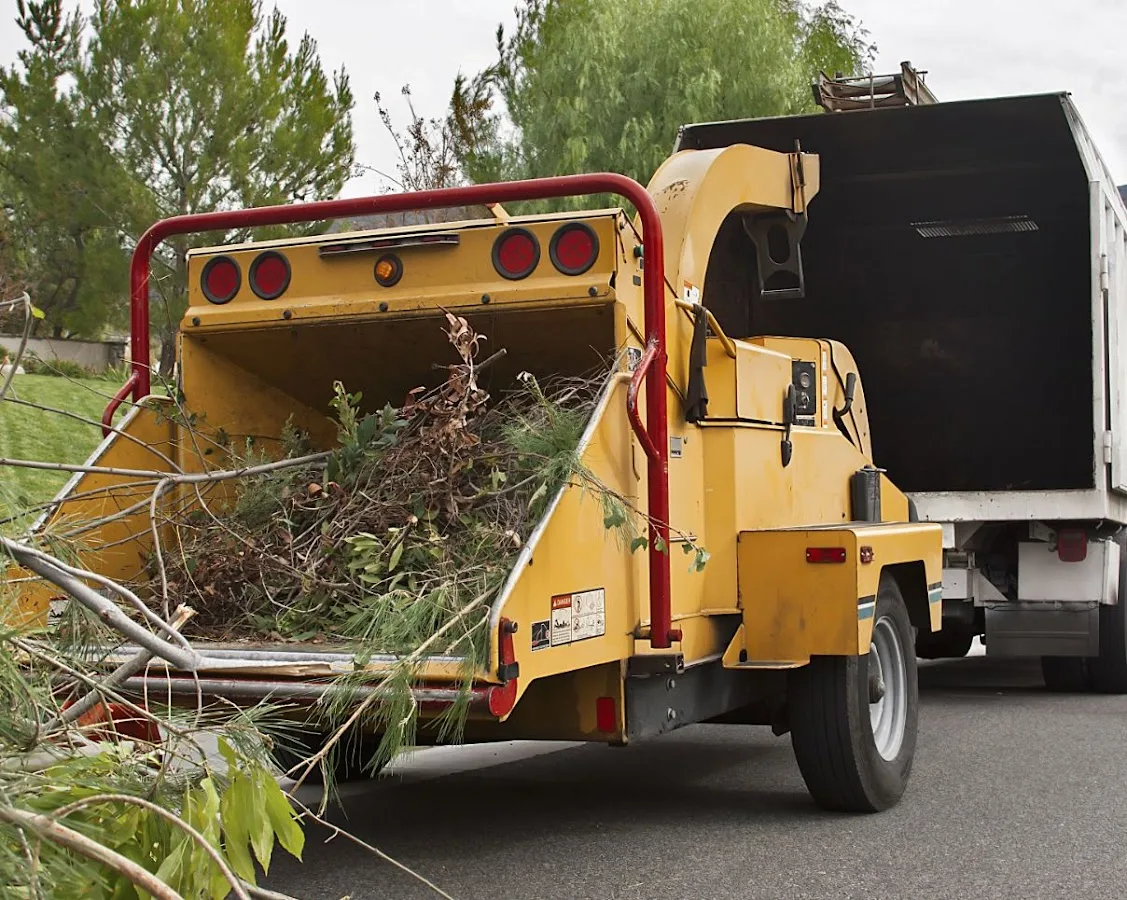
Emergency work isn’t just taking a tree down. You also need a plan for what happens to debris immediately afterward. Ask whether the quoted scope includes the haul-away of storm debris and how cleanup will be handled at your specific access points.
Because many Northeast properties have tight spacing, older walkways, and nearby structures, “cleanup” can mean different things. Look for language that addresses a controlled cleanup footprint—especially where brush and smaller branches might otherwise remain scattered on site.
Debris removal details that should appear in writing
Your estimate should clarify how the crew will deal with material from the cut area (limbs, logs, and smaller fragments) and what “finished” looks like at the end of the job. If the provider can’t describe that outcome, you’ll have more chances for disputes after the work is done.
Make stump work explicit so the after-plan is predictable
If the tree was removed due to hazard conditions, stump expectations often determine the real total cost and timeline. Many homeowners expect stump grinding to be handled as part of the same emergency scope, but some estimates treat it as separate work.
Long Island Tree & Landscape Service, Inc. is associated with emergency removal and also references certified arborists and broader tree care services on its official site. When you call, ask directly whether stump grinding is included, how it’s scheduled, and whether any additional visit is required.
Use the contact details to verify service fit for your property constraints
Before you commit, call to confirm what your property needs in real life—access for equipment, distances to structures, and whether overhead lines or nearby obstacles affect the plan. One concrete way to structure your phone call is to read the hazards you noted and ask how the crew will work around them.
For reference, Long Island Tree & Landscape Service, Inc. can be reached at +1 631-956-8388 and lists https://longislandtreecompany.net/ as its official website. If you’re in Blue Point or nearby areas, referencing your address—18 Park Ave, Blue Point, NY 11715—helps the conversation stay grounded in the same job context used for the estimate.
What to ask in the first 3 minutes of the call
1) What is included in the emergency scope (hazard removal plus cleanup footprint)? 2) Is stump work included, and if not, when does it happen? 3) What site constraints change the plan (driveway clearance, landscaping, or nearby structures)?
Make the “done” definition measurable
A strong emergency tree removal quote should end with a measurable definition of “done.” That means the hazard is removed, the cleanup footprint is addressed, and any stump work is either included in the same scope or clearly separated with timing. If the estimate can’t describe those points, ask for clarification before scheduling.
When you match the written scope to the real hazard at your property, you reduce surprises after the crew leaves—and you get a safer, more predictable restoration of your yard.