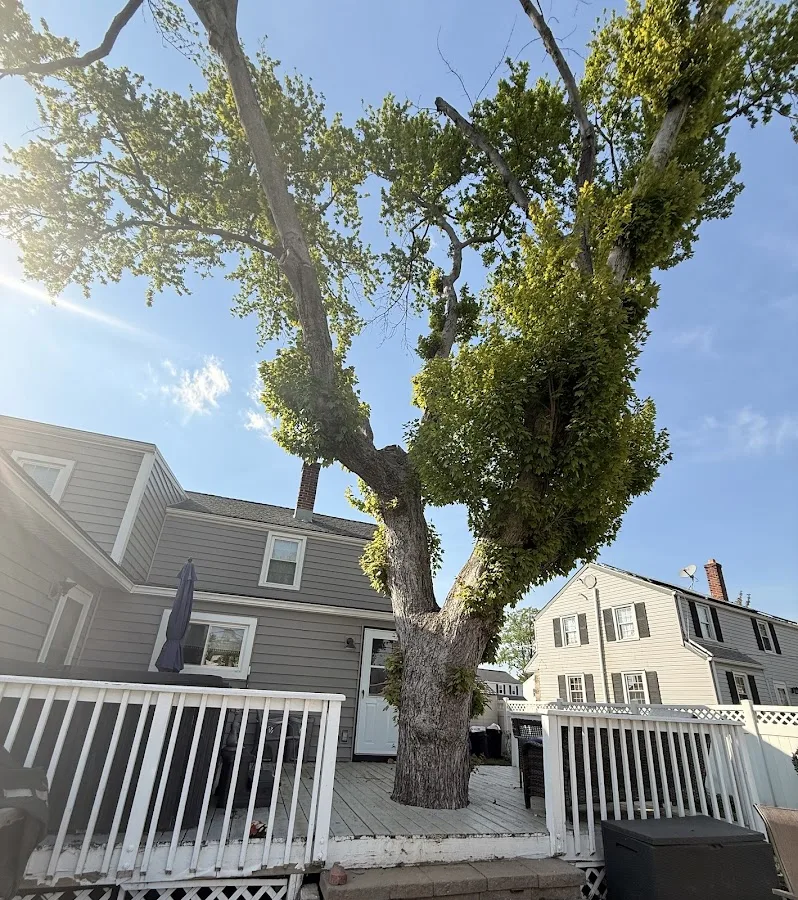
In Long Island City, Queens, storm damage can turn a normal tree issue into an immediate hazard—especially when branches are tangled in power lines, blocking sidewalks, or threatening nearby structures. JTP Tree is a Queens-based, ISA-certified arborist service that lists emergency and storm pruning, tree removal, and tree risk assessment among its specialties. For homeowners and property managers, the fastest path to a predictable outcome is not debating the price first—it’s defining the work scope so both sides share the same definition of “done.”
Start with the facts that shape an emergency removal estimate
Before anyone brings equipment to the property, you’ll want to align on the on-site conditions that drive difficulty and safety. JTP Tree lists contact details that can help you confirm availability and the jobsite: 48-29 41st St, Long Island City, NY 11104, and +1 646-755-1516. Use that initial call or message to verify that the company is taking the type of job you need and to confirm the crew can reach your exact location promptly.
Then document what you can: where the damaged tree or limbs are sitting, whether the trunk is leaning, and whether debris is on a roof, fence, or walkway. If the damage includes multiple trees, tangled limbs, or unknown root movement, scope can expand quickly—so the goal is to get an agreed “target area” before cutting starts.
Define “done” as hazard removal plus a controlled cleanup footprint
For emergency work, “done” should mean more than “the tree is cut.” In the real world, homeowners care whether the property is safe to use the same day and whether debris is removed to a workable condition.
A practical scope definition can include:
- Removal of the hazard pieces (for example, the portion blocking a sidewalk or pressing into a structure).
- Debris handling and cleanup so the yard, driveway, and access paths are cleared after the take-down.
- Clear boundaries for what areas are included, especially on tight lots where staging space is limited.
JTP Tree’s official site emphasizes emergency and storm pruning and cleanup, which makes it especially important that your contract language (or written job note) matches what you expect the cleanup to include.
Ask how the service handles risk assessment—before, during, and after
Emergency removal often uncovers a bigger issue: the damaged tree might have underlying structural risk. JTP Tree lists tree risk assessment, tree removal, and consulting/arborist-report services. That means it’s reasonable to ask whether the crew will assess risk as part of the emergency scope, not just remove the most obvious pieces.
Concrete questions to reduce surprises:
- Will the team evaluate remaining stems/branches for additional risk before they leave?
- If pruning is recommended to prevent re-damage, is that included in the same scope or separated?
- If the removal reveals root or soil instability, how is the updated scope communicated?
This is where emergency jobs can either stay contained or grow. A clear risk-assessment component helps set expectations for what might change as visibility improves.
Clarify the “extras” that commonly change emergency scope
Even with a well-defined hazard, emergency jobs can shift when crews discover unexpected conditions. Use your first conversation to clarify which items are typically included and which may be change orders:
- Access and staging: Where equipment can be placed and how debris is carried away.
- Waste/disposal approach: how logs and brush are handled and whether hauling is included.
- Secondary cleanup: whether additional sweeping/raking is expected after initial debris removal.
- Aftercare recommendations: whether the team provides guidance for follow-up pruning or planting (if applicable to what they find).
Also, confirm any relevant constraints on your side. If the hazard affects a walkway or vehicle access, ask what the crew needs to keep the job safe while they work through removal and cleanup.
Use the JTP Tree basics to confirm fit, then lock the scope in writing
Because JTP Tree describes itself as a hyperlocal, ISA-certified arborist service with emergency and storm pruning and cleanup, it can be a strong fit when you need a certified perspective—not just a cut. But the decision isn’t complete until your scope is written down clearly: which hazards are removed, what “done” means for cleanup, and how any discovered risk triggers updates.
Before work begins, ask for a clear description of what the crew will remove, what will be left in place, what areas will be cleaned, and when you can expect the property to be safe for normal use again. That single step helps prevent the most common emergency-removal complaint: doing the right work, but not doing the work you thought you hired.