If you’re in Brooklyn and a tree problem feels urgent—leaning toward a sidewalk, trapped between buildings, or clearly dead—your first goal is to make the job scope measurable. For Dragonetti Tree Removal (129 Louisiana Ave #7605, Brooklyn, NY 11207), that usually means deciding whether you need removal only, pruning and trimming, or removal plus stump work so you don’t pay for the wrong “done.” Phone inquiries are at +1 718-451-1300, and the official site is http://www.dragonettitreeremoval.com/.
Start with the “hazard vs. maintenance” decision
Not every overgrown tree requires full removal. Before you compare quotes, classify the issue into one of two buckets:
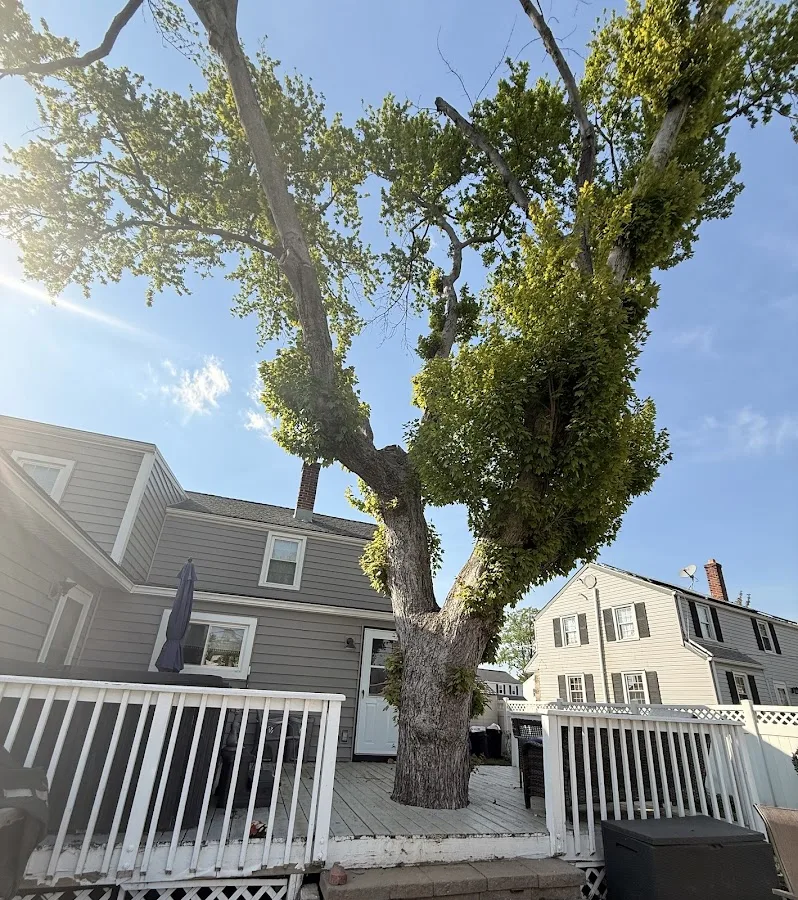
Hazard / failure risk: cracks in the trunk, dead canopy, heavy leaning, or damage after storms. These situations are the kind of emergency tree removal scenarios the company highlights on its services page.
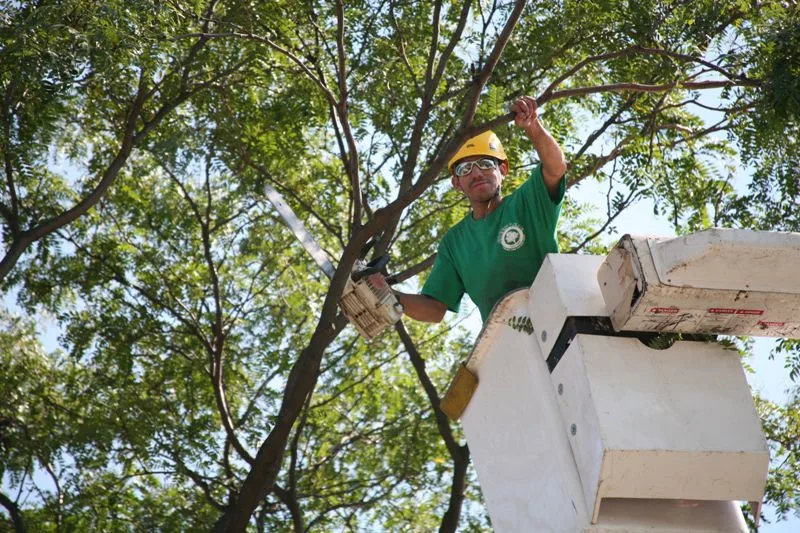
Maintenance / growth management: branches overgrowing the yard, uneven structure, or clearance problems that can be addressed with pruning and trimming instead of taking the entire tree down.
The scope affects everything after that—crew planning, equipment needs, and cleanup expectations.
Define “done” for removal: cutting plan and cleanup footprint
Removal isn’t just “cut it and leave.” For tight Brooklyn access, it helps to ask how the team expects to handle the work area between structures, fences, and sidewalks. Dragonetti notes that NYC jobs often involve tight spaces, low clearances, and limited access—conditions where planning matters.
When you talk to the company, be ready to describe:
1) where the tree sits relative to nearby buildings or driveways,
2) what parts must be removed (whole tree vs. specific limbs), and
3) what “cleanup” means for you—how much brush should be hauled away versus chipped and staged.
This prevents a common mismatch: a contractor treats the job as “tree down,” while you expected a fully restored lot ready for normal use.
Decide whether stump work is part of your original plan
If you’re removing a tree, stump decisions should happen at the same time—not days later. If you only remove the trunk, you can end up with a stump that becomes a tripping risk, makes mowing difficult, or complicates future landscaping.
Dragonetti’s service menu includes stump removal and stump grinding. The practical question is whether you want the stump ground to a certain depth for planting or whether you need complete stump removal for a specific project timeline. Ask what equipment is planned and what the end condition will look like in your yard.
Concrete tip: bring photos of the stump area and note any landscaping, raised beds, or nearby utilities. That information changes what “safe and complete” looks like.
Confirm credentials and standards before you compare pricing
In arborist work, credentials affect decision-making. Dragonetti states that its arborists are ISA and EHAP certified and that they follow ISA and TCIA standards. Instead of asking only “how much,” ask what those standards mean for your site—especially if you’re trying to protect nearby structures or avoid unnecessary cutting.
Also ask for a clear breakdown of scope: removal vs. pruning/trim, plus stump grinding or stump removal. If the estimate doesn’t separate these pieces, it’s hard to compare two bids fairly.
What to ask for on the first call so you don’t get an unclear estimate
Use these questions to make your call productive:
1) “Is this a removal job or can pruning solve the problem?”
2) “If you remove it, do you plan stump grinding as part of the same schedule?”
3) “How will you handle tight access and low clearances in my Brooklyn setup?”
4) “What exactly will you leave behind—chips, brush, or hauled-away debris—and where?”
5) “What photos or measurements help you lock the scope quickly?”
When you can answer these, you’re not just booking a company—you’re aligning expectations on what “done” means.
Tree work can be fast-moving, especially when something looks like it could fail. By separating hazard vs. maintenance, defining cleanup and removal limits, and confirming stump work up front, you’ll be much closer to a quote that matches your property—not just a task that checks a box.