Tree work around a home is easy to underestimate—especially when debris, access limits, and different job scopes (pruning vs. removal vs. stump work) get blended into one estimate. For homeowners and property managers in Rochester, it helps to treat your first call as an information-gathering step: document the “finish picture” and ask the arborist’s team to confirm the scope in writing.
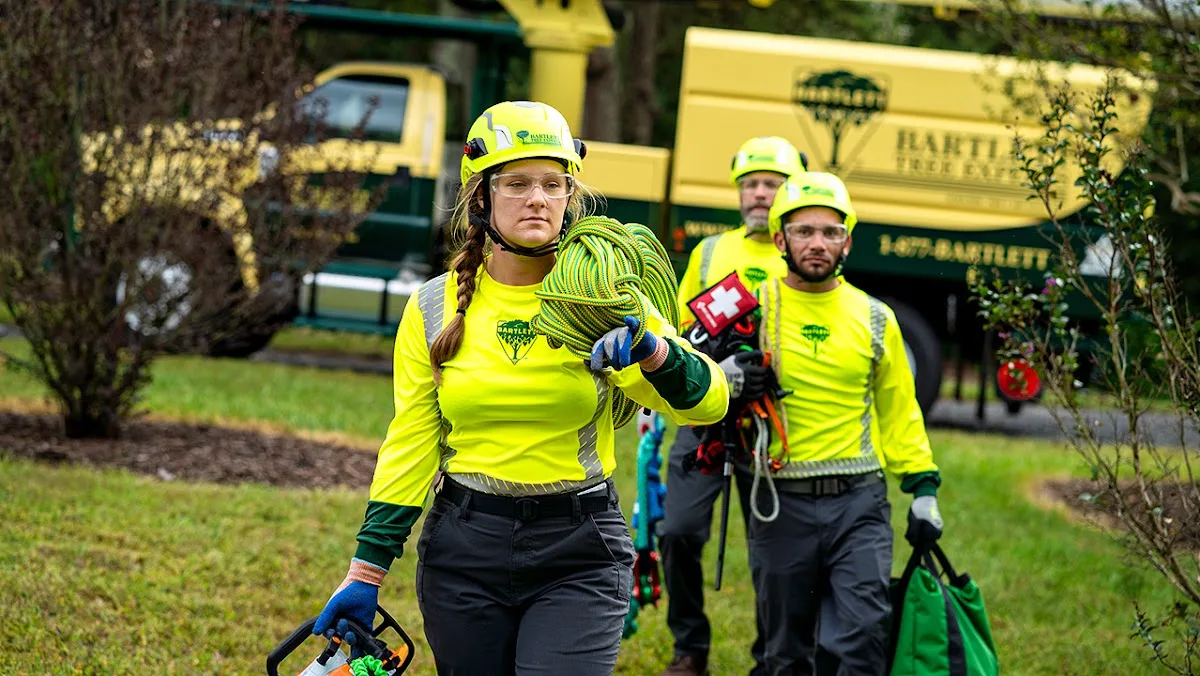
Bartlett Tree Experts has a Rochester office at 2059 Brighton-Henrietta Town Line Rd, Rochester, NY 14623, and you can reach the team at +1 585-385-4060. If you use Bartlett’s appointment process at https://www.bartlett.com/make-appointment.cfm, plan to arrive (or email) with details that make the job measurable—especially for the kind of storm-related debris and seasonal damage Rochester properties often experience.
Use what you can see on-site to set the estimate baseline
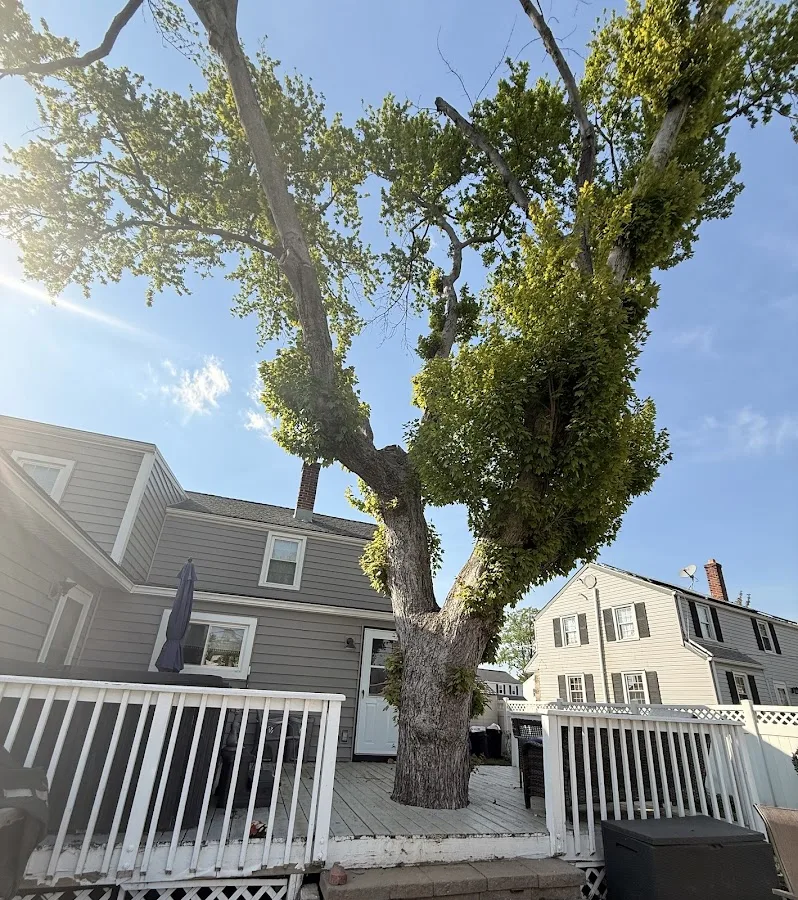
Ask yourself what needs to change on your property before the tree work begins. Take photos from multiple angles and include at least one “distance shot” that shows the tree’s relationship to your driveway, fence line, roof, and nearby structures. If the call is about storm damage or a leaning tree, include a close-up that shows the lean angle and the part of the property it threatens.
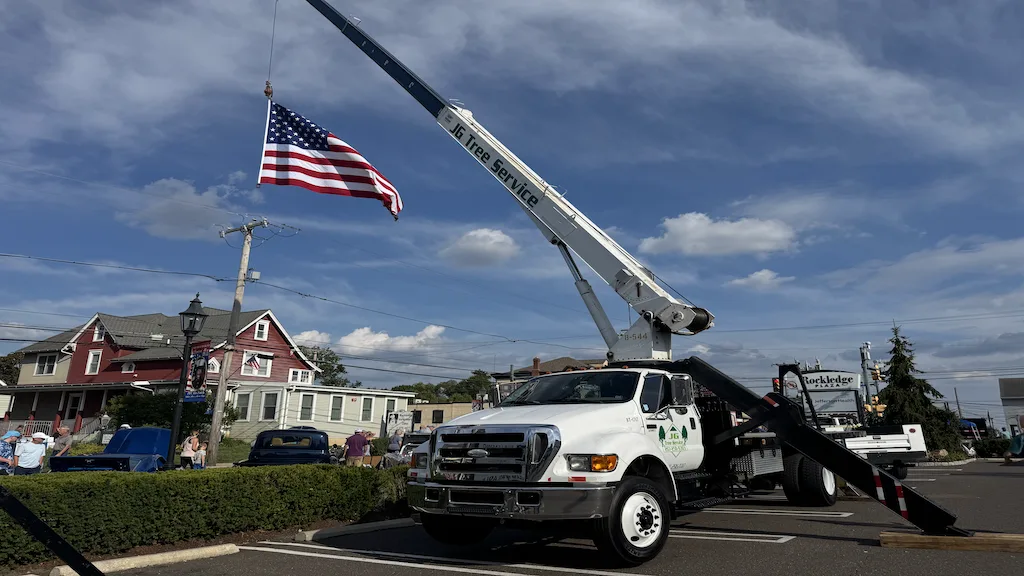
For Rochester properties, access matters just as much as tree condition. If gates are narrow, there’s limited room for equipment placement, or the work area is blocked by parked vehicles or landscaping, mention it upfront. That information often affects the method used and the line items in the final quote.
Separate scopes so pruning, removal, stump work, and cleanup don’t get mixed
One common quote-comparison failure is assuming two estimates cover the same work when they do not. Before approving Bartlett Tree Experts—or any tree-service provider—request clarification on what each line item includes.
- Pruning scope: Is the work intended to improve structure/health (selective pruning), reduce clearance, or address specific hazards like low-hanging limbs?
- Removal scope: If the tree (or a section) must come down, ask how the team will handle felling/section removal and where cut material will be staged.
- Stump scope: Confirm whether stump grinding is included or priced separately, and whether the grinding depth matches your expectations for future turf or planting.
- Cleanup scope: Clarify what happens after the work—haul-off expectations, how debris will be contained, and whether leaves/brush removal is part of the quote.
Even when two quotes sound similar in total price, scope differences usually show up in pruning vs. removal, whether stump grinding is included, and how cleanup/haul-off is handled.
Match urgency to priority: hazard control first
If the reason for calling is immediate safety—such as limbs over a walkway, a damaged trunk, or a tree that is leaning toward a structure—separate the urgent actions from optional add-ons. A clear target helps you approve the minimum necessary work first, then schedule additional property improvements (like extra trimming or follow-up work) if you still want them after the hazard is stabilized.
This approach can also prevent change-order surprises. Make sure the estimate states what the crew will address during the scheduled visit and what would require a new assessment.
Ask for an access-and-method plan before you compare final pricing
Price becomes easier to evaluate when you understand how the team expects to do the job. During the estimate, ask questions that connect the plan to measurable constraints.
- Where will equipment be placed, and how will the crew protect driveways, fences, and beds?
- If there’s limited clearance, will the crew section the tree or use a different approach?
- How will the team manage cut material staging so cleanup is not left for “later”?
For the Rochester area, winter storm impacts are part of what homeowners deal with, so the best estimates tend to reference the specific conditions on your property rather than generic “standard removal” language.
Verify essentials in writing so the project stays predictable
Once Bartlett Tree Experts reviews your property and proposes a scope, verify the essentials in writing. Confirm the work boundaries (what’s included and what’s excluded), the parts of the tree addressed (whole tree vs. specific limbs), and whether stump grinding and debris haul-off are included.
If you’re ready to schedule, you can start with the official appointment page: https://www.bartlett.com/make-appointment.cfm. Then use the scope details you received to compare any alternative quote—line by line—so you’re not paying for work you don’t need or missing work that should have been included.
Bottom line: a “good” tree quote isn’t just a number—it’s a clear scope tied to your property’s access limits, hazards, and desired finish state. Bring evidence, separate pruning/removal/stump/cleanup, and confirm the estimate matches what you can see at the jobsite.